
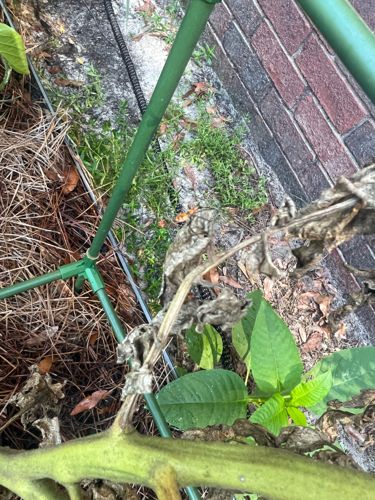
Stick Insect (or Walking Stick)
Phasmatodea (order, as specific species is difficult to identify from the image alone)
- Order & Family
- Order: Phasmatodea, Family: Phasmatidae (most common family, though there are others within the order)
- Size
- Size varies greatly by species, ranging from very small (around 1-2 cm or 0.4-0.8 inches) to some of the longest insects in the world (over 60 cm or 24 inches including legs).
Natural Habitat
Stick insects are typically found in tropical and subtropical regions, inhabiting forests, woodlands, and areas with dense vegetation where they can easily blend in with their surroundings. Some species also exist in temperate climates.
Diet & Feeding
Stick insects are herbivores, feeding primarily on the leaves of a wide variety of plants and trees. The specific diet varies by species, but common food sources include oak, rose, eucalyptus, bramble, and privet.
Behavior Patterns
Stick insects are nocturnal and herbivorous. They are masters of camouflage, remaining still during the day to mimic twigs or leaves, and moving slowly to further enhance this illusion. They reproduce sexually, and lay eggs, often mimicking seeds, in various ways depending on the species (e.g., dropping them to the ground, gluing them to leaves, or burying them). Some species can reproduce through parthenogenesis (asexually).
Risks & Benefits
Generally, stick insects pose no risk to humans. They are not venomous and do not bite or sting. In some agricultural settings, large populations might cause minor defoliation of plants, but this is rare. Ecologically, they serve as a food source for birds, reptiles, and other predators. Their camouflage and herbivorous diet make them interesting subjects for biological study and popular pets. They contribute to the ecosystem by consuming plant matter.