
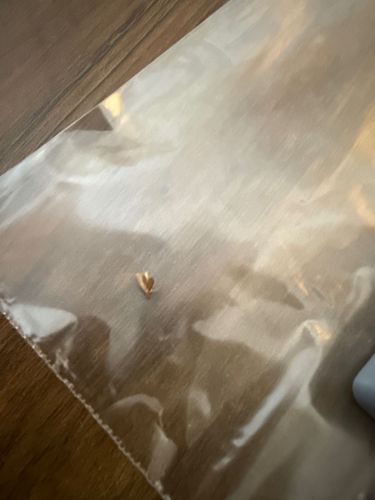
Community identification
Webbing clothes moth
Tineola bisselliella
- Order & Family
- Lepidoptera: Tineidae
- Size
- Wingspan is approximately 12 to 16 mm (about 1/2 inch).
Natural Habitat
Indoor environments, particularly in closets, drawers, and areas where natural fibers are stored.
Diet & Feeding
Larvae feed on natural animal fibers such as wool, silk, fur, feathers, and leather. Adults do not eat.
Behavior Patterns
They are photophobic (avoid light) and prefer dark, undisturbed areas. Unlike most moths, they are weak fliers and often seen scurrying on surfaces. The life cycle involves complete metamorphosis from egg to larva to pupa to adult.
Risks & Benefits
Risk: They are a significant household pest that can cause extensive damage to clothing, upholstery, and carpets. Benefit: In the wild, they act as decomposers, breaking down animal keratin that other organisms cannot digest.