
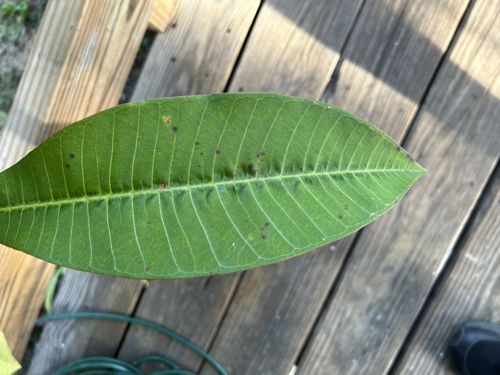
Thrips
Various species (e.g., Frankliniella occidentalis, Thrips tabaci)
- Order & Family
- Order: Thysanoptera, Family: Various (e.g., Thripidae, Phlaeothripidae)
- Size
- Typically 0.5 to 2 mm in length
Natural Habitat
Thrips are found worldwide in a variety of habitats, primarily on plants. They inhabit flowers, fruits, leaves, and buds of a wide range of host plants, including agricultural crops, ornamental plants, and wild vegetation. They prefer warm, dry conditions.
Diet & Feeding
Thrips are sap-feeders, using their rasping-sucking mouthparts to puncture plant cells and feed on the oozing sap. They typically feed on young leaves, flowers, and fruits, causing damage such as discoloration, distortions, and stunted growth.
Behavior Patterns
Thrips have a short life cycle (1-2 weeks for adults) and reproduce rapidly, often parthenogenetically. They are active during the day and can be found on the underside of leaves or within flowers. When disturbed, they may quickly move or fly short distances. Adults can disperse by flight and are often carried by wind, leading to rapid spread between plants.
Risks & Benefits
Risks: Thrips are significant agricultural pests, causing direct damage to plants by feeding, leading to economic losses in crops like fruits, vegetables, and ornamentals. They can also transmit plant viruses, further exacerbating plant health issues. Benefits: Some species are predatory and feed on other small arthropods, acting as biological control agents against other pests; however, these are a minority of species.