
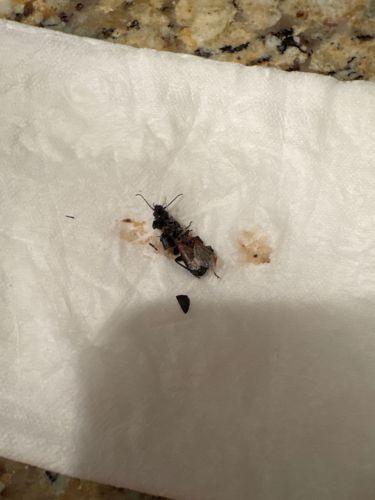
Stonefly (Adult)
Plecoptera (Order level)
- Order & Family
- Order: Plecoptera (Stoneflies); Family: Various (e.g., Perlodidae, Perlidae, Nemouridae) - specific identification to family is difficult from the image.
- Size
- Most adult stoneflies range from 0.5 to 6 cm (0.2 to 2.4 inches) in length, depending on the species.
Natural Habitat
Adult stoneflies are found near clean, cold, and well-oxygenated aquatic environments such as rivers, streams, and lakes where their larvae develop. They often rest on riparian vegetation, rocks, or tree trunks.
Diet & Feeding
Adult stoneflies often do not feed or consume small amounts of algae, lichens, or decaying plant matter. Larvae (nymphs) of most species are herbivores, feeding on algae and detritus, while some larger species are predatory, feeding on other aquatic insects.
Behavior Patterns
Adult stoneflies are typically short-lived, with many species not feeding in their adult stage. They are often nocturnal or crepuscular, resting during the day. Mating usually occurs on land or emergent vegetation near water. Females lay eggs directly into the water. Larvae (nymphs) are aquatic and undergo incomplete metamorphosis, molting multiple times as they grow.
Risks & Benefits
Stoneflies pose no known risks to humans (they do not bite or sting). They are highly beneficial as indicators of water quality; their presence often signifies clean and healthy aquatic ecosystems, as most species are intolerant to pollution. Larvae also serve as a food source for fish and other aquatic predators, playing a crucial role in the aquatic food web.