
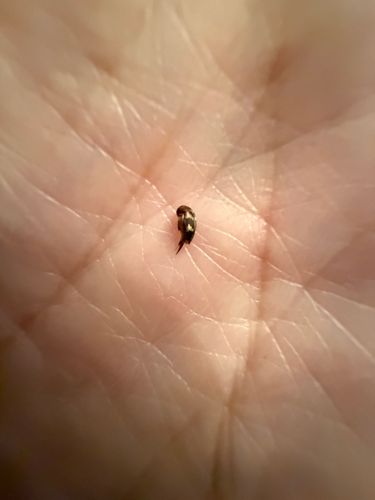
Drugstore Beetle / Bread Beetle / Biscuit Beetle
Stegobium paniceum
- Order & Family
- Order: Coleoptera, Family: Ptinidae (formerly Anobiidae)
- Size
- 2.25 mm - 3.5 mm (0.09 - 0.14 inches)
Natural Habitat
Drugstore beetles are common pantry pests and can be found in homes, grocery stores, pharmacies, warehouses, and anywhere dried food products or other suitable materials are stored. They prefer warm and humid environments.
Diet & Feeding
Drugstore beetles are known for their incredibly diverse diet. They feed on a wide range of dried plant and animal products, including grains, spices, stored foods (bread, pasta, pet food, biscuits), dried fruits and vegetables, leather, paper, pharmaceuticals, and even some non-food items like museum specimens.
Behavior Patterns
Adult drugstore beetles are active at night and are attracted to light. They are good fliers. Females lay eggs on food sources, and the larvae are the damaging stage, burrowing into and consuming the food. Their life cycle from egg to adult takes about 45 days under optimal conditions (around 30-33°C, 60-90% relative humidity) but can be extended in cooler temperatures.
Risks & Benefits
Risks: Primarily a pantry pest, causing damage and contamination to stored food products, spices, and other dry goods. They can infest a wide variety of items, leading to economic losses and requiring pest control measures. They do not bite, sting, or transmit diseases to humans. Benefits: None significant to humans; however, as part of the ecosystem, they contribute to the decomposition of organic matter, though this is overshadowed by their pest status in human environments.