
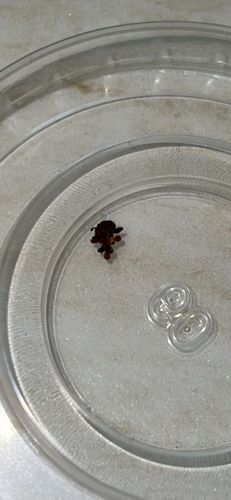
Spider Beetle
Ptinus spp. or Gibbium spp. (e.g., Ptinus clavipes, Gibbium psylloides)
- Order & Family
- Order: Coleoptera, Family: Ptinidae
- Size
- Typically 1.5 to 5 mm (0.06 to 0.2 inches) in length.
Natural Habitat
Spider beetles are common in human dwellings, particularly in areas where dry food products are stored, such as pantries, kitchens, and food processing facilities. They also thrive in warehouses, museums, and old buildings where food debris, animal products, or other organic materials are present.
Diet & Feeding
Spider beetles are generalist scavengers, feeding on a wide variety of dry organic materials. This includes stored food products (grains, cereals, dried fruits, spices, pet food), museum specimens (dried insects, plant collections), wool, hair, feathers, and even some synthetic materials. They are known to infest pantries, warehouses, and old buildings.
Behavior Patterns
Spider beetles are typically nocturnal and prefer dark, secluded places. They are known for their ability to survive long periods without food, making them persistent pests. They can play dead when disturbed.
Risks & Benefits
Risks: Spider beetles are primarily considered a nuisance pest, as they contaminate stored food products with their presence, excretions, and castings, rendering the food undesirable and unfit for consumption. While they do not bite or sting humans, widespread infestations can cause significant economic losses in food industries and frustration for homeowners. They can also damage museum collections and other stored organic materials. Benefits: In natural ecosystems, their scavenging behavior helps in the decomposition of organic matter, but their role is generally overshadowed by their pest status in human environments.