
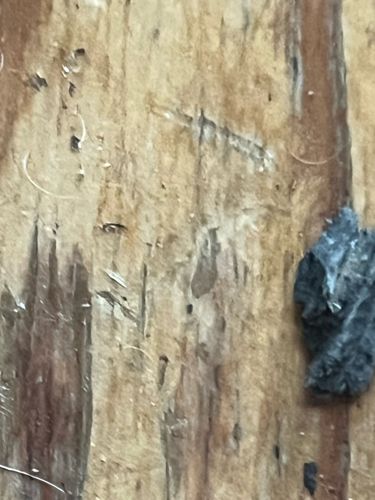
Caddisfly (Larva and its case)
Trichoptera (larva of various families)
- Order & Family
- Order: Trichoptera, Family: Varies (many families within Trichoptera, depending on case type and morphology)
- Size
- Larvae typically range from a few millimeters to several centimeters (e.g., 5mm to 30mm) depending on the species and instar. The case can be slightly larger than the larva itself.
Natural Habitat
Typically found in aquatic environments, including streams, rivers, ponds, and lakes, particularly in areas with clear, unpolluted water. The case or larva might have been dislodged or dried out.
Diet & Feeding
Diet varies significantly by species and can include detritus, algae, aquatic plants, or even small aquatic insects. Many are shredders or collectors.
Behavior Patterns
Larvae construct portable cases from silk and environmental debris, such as sand, small stones, or plant fragments. They drag these cases around as they feed and grow. Adults are short-lived, primarily focused on reproduction. The case in the image appears to be made of detritus, consistent with caddisfly larvae.
Risks & Benefits
Caddisflies are excellent indicators of water quality; their presence often signifies healthy aquatic ecosystems. They are an important food source for fish and other aquatic animals. They pose no direct risks to humans; however, some species can be a nuisance near water bodies as adults.