
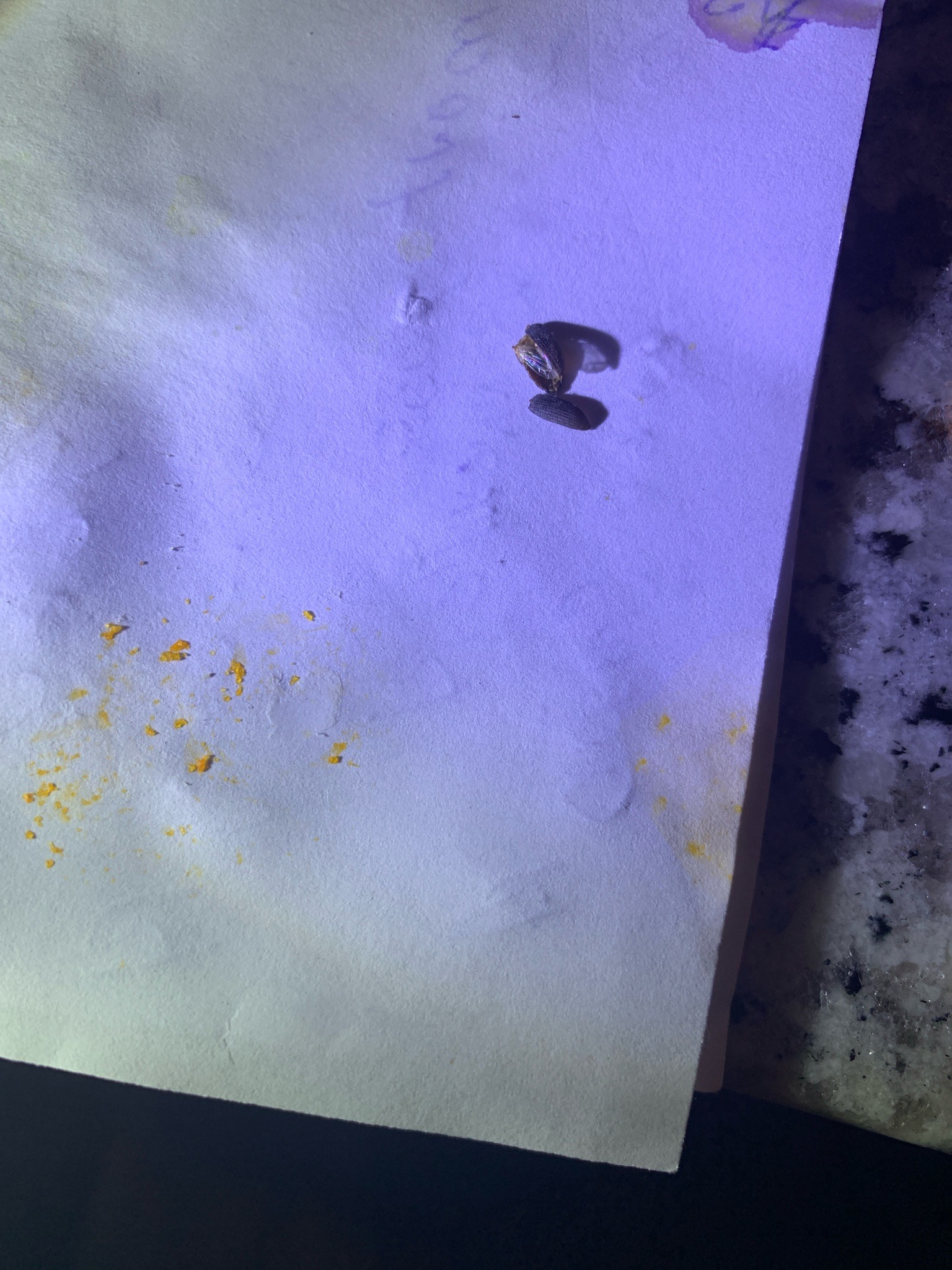
Black soldier fly pupae
Hermetia illucens
- Order & Family
- Order Diptera, Family Stratiomyidae
- Size
- Typically 15 to 27 mm (0.6 to 1.1 inches) in length.
Natural Habitat
Found worldwide in tropical and temperate regions, typically near decaying organic matter like compost, manure, or food waste.
Diet & Feeding
Larvae (maggots) are voracious scavengers of decaying organic material; adults generally do not eat, relying on stored fat from the larval stage.
Behavior Patterns
Larvae are master decomposers. When ready to pupate, they enter a 'prepupal' stage where they become dark and leathery, seeking dry, sheltered areas to transform into adults. The adults are mimics that resemble wasps but do not sting.
Risks & Benefits
Extremely beneficial to the ecosystem. They are used in industrial composting to reduce waste and as a high-protein feed for livestock and pets. They pose no risk to humans as they do not bite, sting, or carry diseases like common houseflies.