
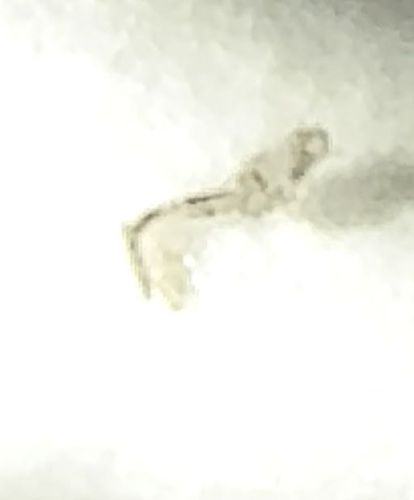
Drain Fly Larva
Psychodidae family (larval stage)
- Order & Family
- Diptera: Psychodidae
- Size
- 3 to 10 millimeters (1/8 to 3/8 inch) length
Natural Habitat
Moist organic environments such as sink drains, sewage pipes, bathroom tile grout, decaying compost, and septic tanks where gelatinous film accumulates.
Diet & Feeding
Feeds on decaying organic matter, sludge, microscopic algae, fungi, and bacteria found in the gelatinous 'biofilm' lining pipes and drains.
Behavior Patterns
The larvae move like small worms but with distinct dark bands on their dorsal side. They are aquatic or semi-aquatic and breathe through a small siphon tube at their rear end, allowing them to submerge in sludge. They mature in 1 to 3 weeks before pupating.
Risks & Benefits
Risks: While they do not bite or sting humans, they are nuisance pests. Their presence indicates unsanitary buildup in plumbing. In large numbers, the adults can trigger allergic asthma in some individuals. Benefits: They aid in the decomposition of organic sludge in sewage systems.