
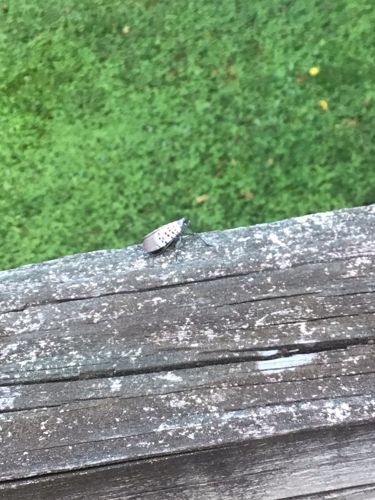
Virginia Tiger Moth
Spilosoma virginica
- Order & Family
- Lepidoptera (Moths and Butterflies), Erebidae (Tiger Moths and allies)
- Size
- Wingspan typically ranges from 3.5 to 5 cm (1.4 to 2 inches).
Natural Habitat
Commonly found in a wide range of habitats including gardens, agricultural fields, forests, meadows, and urban areas wherever host plants are present.
Diet & Feeding
Larvae (woollybears) are generalist feeders, consuming a wide variety of herbaceous plants and some broadleaf trees and shrubs. Adults typically do not feed or feed on nectar/dew.
Behavior Patterns
Adults are active flyers and are often attracted to lights at night. They can be found resting on various surfaces during the day. Their larvae, called woollybears, are known for their hairy appearance and will overwinter in this larval stage.
Risks & Benefits
Generally considered harmless to humans. While larvae can occasionally cause minor defoliation to garden plants due to their generalist feeding habits, they are rarely considered significant pests. They serve as a food source for birds and other predators and are part of the ecosystem's food web.