
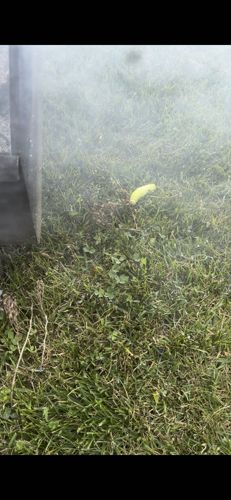
Caterpillar (larval stage of a butterfly or moth)
Too difficult to determine from the image alone, as many species of Lepidoptera have green caterpillar larvae. Examples include *Manduca sexta* (Tobacco Hornworm) or various *Pieris* species (White Butterflies).
- Order & Family
- Order: Lepidoptera (includes butterflies and moths). Family: Varies widely, as there are many families within Lepidoptera.
- Size
- Highly variable, typically ranging from a few millimeters to several centimeters in length, depending on the species and instar. The one in the image appears to be a medium to large size, perhaps 3-6 cm.
Natural Habitat
Found in a wide variety of terrestrial habitats where their host plants grow, including gardens, fields, forests, meadows, and even urban areas.
Diet & Feeding
Mostly herbivorous, feeding on plant leaves, stems, flowers, or fruits of specific host plants. The diet varies greatly depending on the species.
Behavior Patterns
Caterpillars are primarily herbivorous, feeding on host plants. They are known for their voracious appetites and rapid growth. They undergo several instars (molting stages) before pupating. The pupa then develops into an adult moth or butterfly. Their behavior is largely dictated by the need to feed and grow, and later, to find a mate and reproduce (as adults).
Risks & Benefits
Risks: Some caterpillars can be pests to agriculture or gardening, causing significant damage to crops or ornamental plants. A few species have stinging hairs that can cause skin irritation or allergic reactions in humans. Benefits: Caterpillars are an important food source for many animals, including birds, reptiles, and other insects. As they mature into butterflies or moths, they can act as pollinators for various plants, contributing to ecosystem health. They are also indicators of environmental health in some cases.