
Community identification
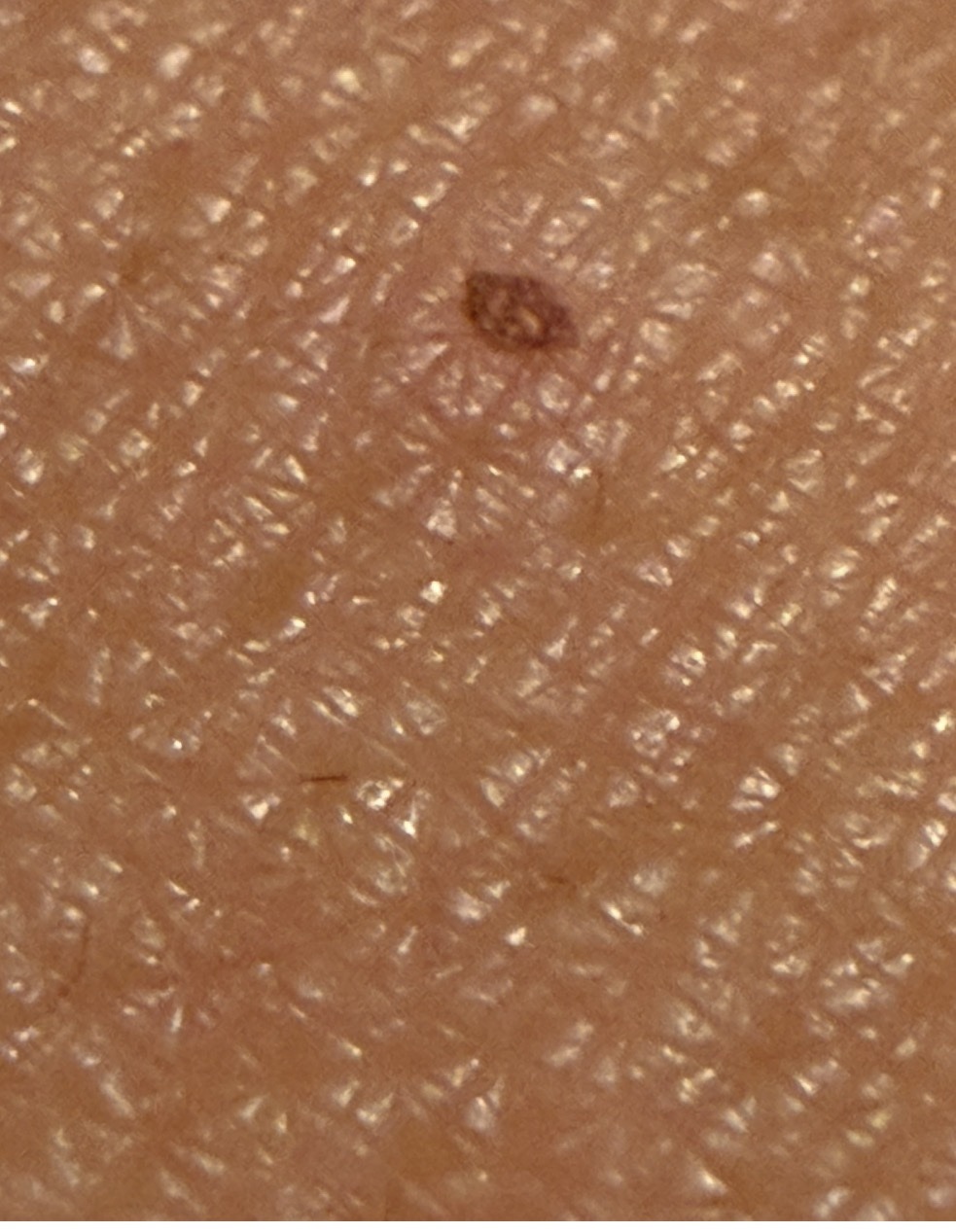
Brown Dog Tick (Larva stage/Seed Tick)
Rhipicephalus sanguineus
- Order & Family
- Ixodida; Ixodidae
- Size
- Larvae are roughly 0.5 mm in length, often appearing as tiny dark specks or 'pepper' on the skin.
Natural Habitat
Found worldwide, often in residential areas, dog kennels, and grassy or wooded outdoor environments.
Diet & Feeding
Obligate blood-feeders; larvae typically feed on small mammals or dogs, but will occasionally bite humans.
Behavior Patterns
They exhibit a three-host life cycle where they drop off after each feeding to molt. They are highly active in warm, humid weather and can survive indoors.
Risks & Benefits
Potential vectors for Rocky Mountain spotted fever, canine ehrlichiosis, and babesiosis. They pose a significant nuisance to pets and can cause skin irritation or infections in humans.