
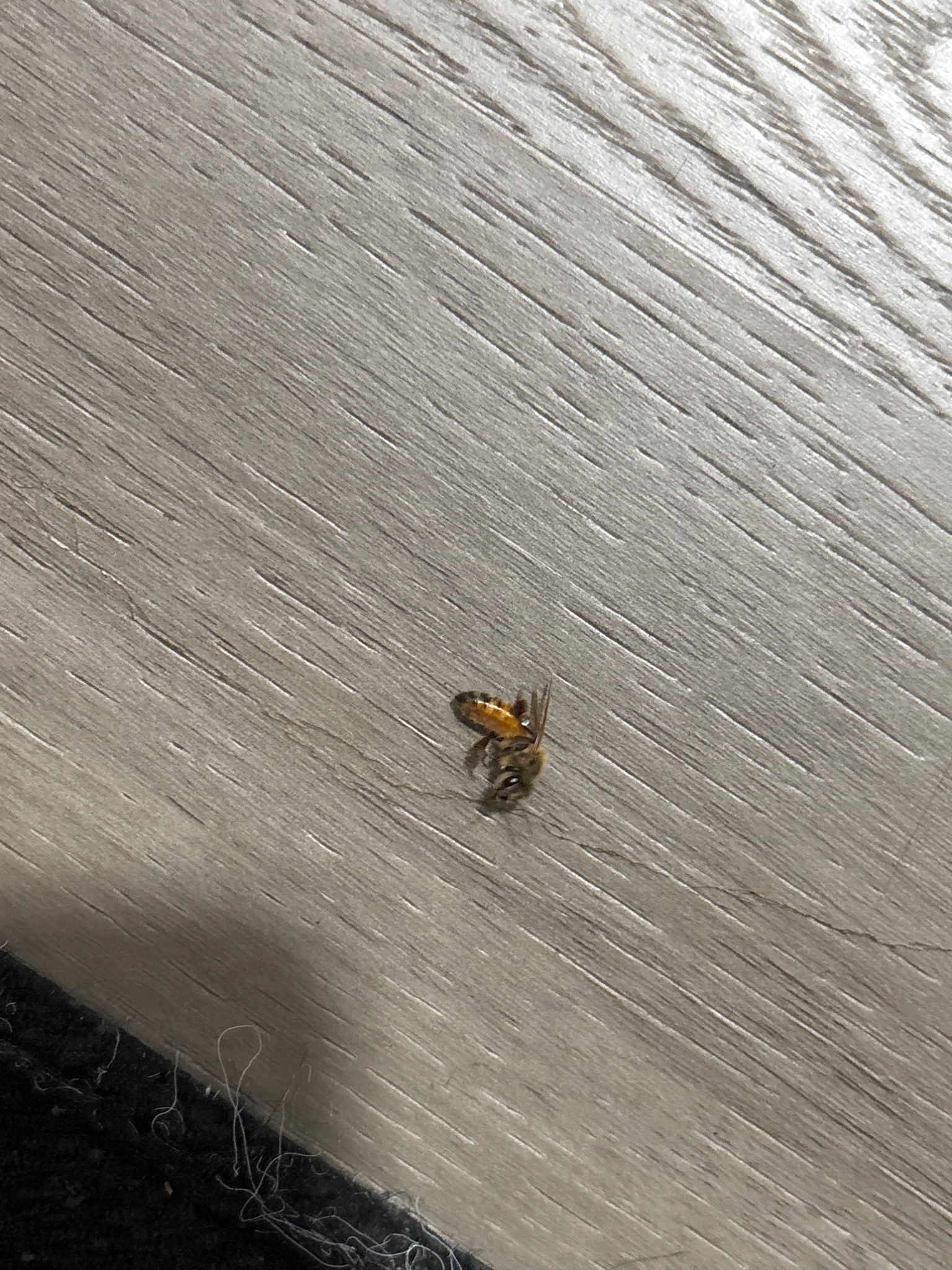
Community identification
Western honey bee
Apis mellifera
- Order & Family
- Hymenoptera: Apidae
- Size
- 10–15 mm (workers), 18–20 mm (queens)
Natural Habitat
Gardens, orchards, meadows, and areas with flowering plants; nests are typically located in hollow trees or provided hives.
Diet & Feeding
Nectar and pollen collected from a wide variety of flowering plants.
Behavior Patterns
Eusocial insects living in complex colonies. Workers forage during the day, communicate through 'waggle dances,' and defend the hive. They undergo complete metamorphosis.
Risks & Benefits
Crucial pollinators for agriculture and ecosystems. They produce honey and wax. The primary risk is defensive stings, which can cause allergic reactions in some individuals.