
Community identification
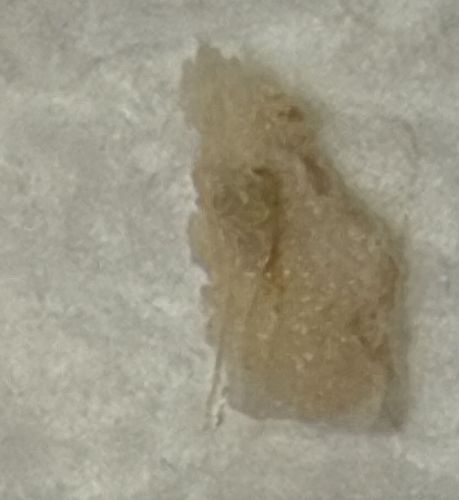
Tussock Moth Caterpillar (Egg Mass)
Orgyia antiqua (or related species)
- Order & Family
- Lepidoptera, Erebidae
- Size
- 15 to 30 millimeters in length
Natural Habitat
Found on tree trunks, branches, fences, and walls in forests, gardens, and urban environments.
Diet & Feeding
Larvae (caterpillars) feed on a wide variety of deciduous and coniferous trees and shrubs.
Behavior Patterns
The flightless female moths lay their eggs in a frothy, protective mass that hardens into a sponge-like texture. They typically overwinter in this egg stage.
Risks & Benefits
Caterpillars can cause significant defoliation to trees. Contact with caterpillar hairs can cause skin irritation (urticaria) in humans. They serve as a food source for birds and parasitic wasps.