
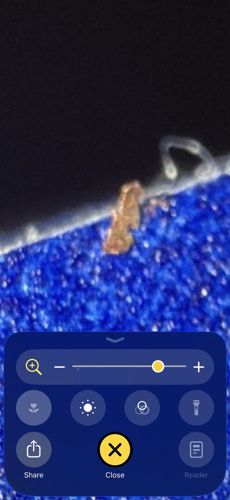
Community identification
Webbing clothes moth
Tineola bisselliella
- Order & Family
- Lepidoptera: Tineidae
- Size
- Wingspan of 12-16 mm; body length approximately 6-8 mm.
Natural Habitat
Dark, undisturbed areas within homes, such as closets, chests, and attics, particularly where animal-based fibers are stored.
Diet & Feeding
The larvae feed on keratin-containing materials including wool, silk, fur, feathers, and hair. Adults do not eat.
Behavior Patterns
They prefer darkness and are poor fliers, often choosing to run or hide when disturbed. Females lay eggs on suitable food sources, and larvae create silken tunnels or mats while feeding.
Risks & Benefits
Significant risk as a domestic pest, causing irreversible damage to clothing, upholstery, and carpets. They provide no significant benefits to the human ecosystem.