
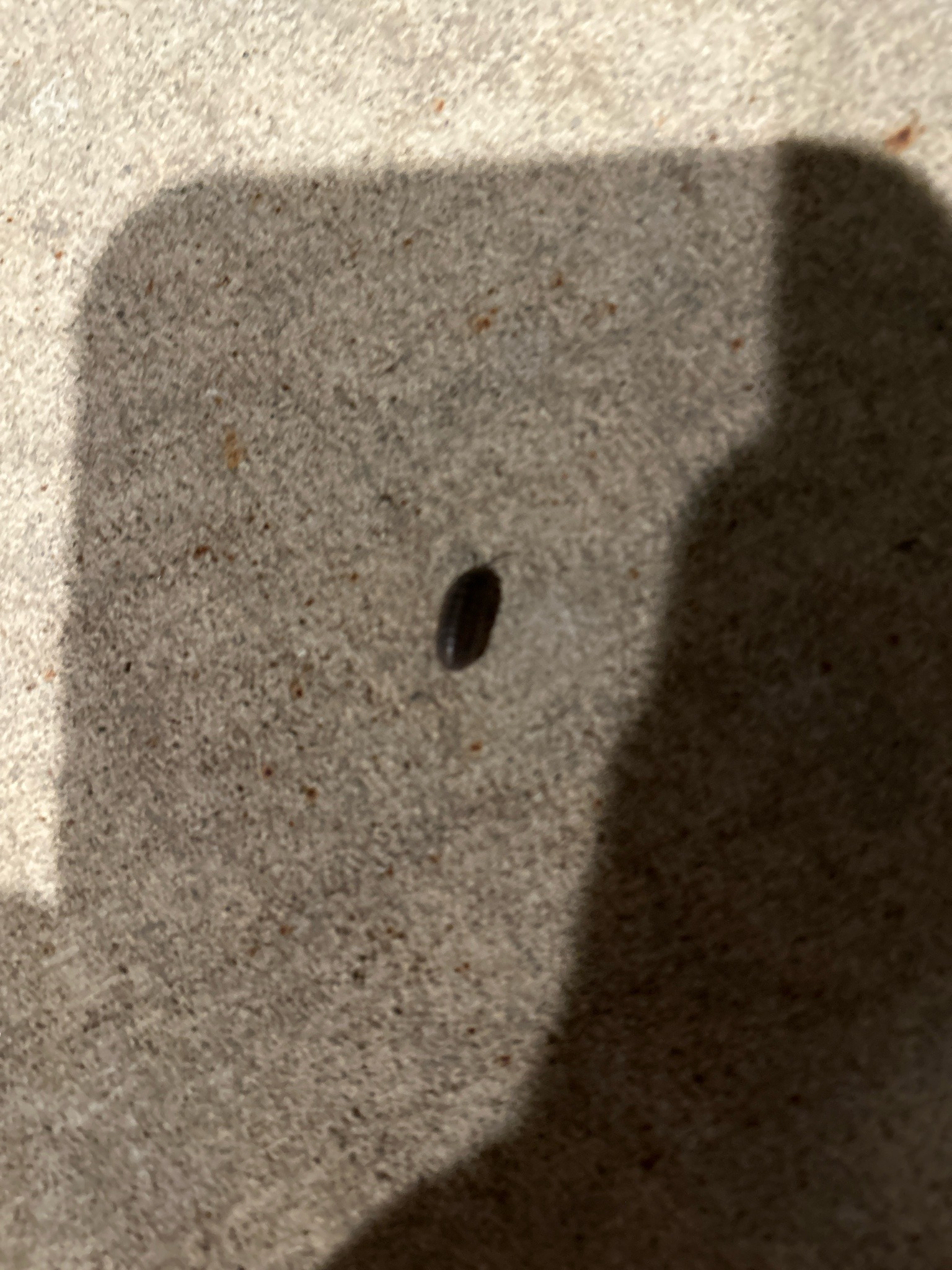
Community identification
Woodlouse
Armadillidium vulgare
- Order & Family
- Isopoda; Armadillidiidae
- Size
- 10 to 18 mm in length.
Natural Habitat
Damp environments such as under rocks, logs, leaf litter, and in basement crevices with high humidity.
Diet & Feeding
Primarily detritivorous, feeding on decaying plant matter, fungi, and sometimes animal remains.
Behavior Patterns
Nocturnal animals that seek out moisture; they exhibit 'conglomeration' behavior and 'volvations' (rolling into a ball) to protect themselves and prevent water loss.
Risks & Benefits
Generally harmless to humans and structures; they are beneficial to the ecosystem as decomposers that recycle nutrients back into the soil.