
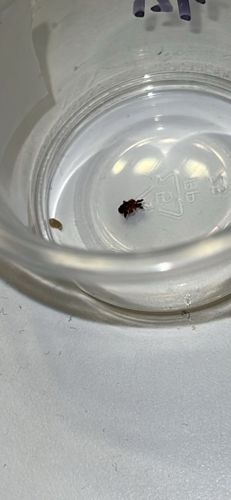
Spider Beetle
Ptinus spp. (e.g., Ptinus fur, Ptinus tectus)
- Order & Family
- Order: Coleoptera, Family: Ptinidae (formerly Anobiidae, subfamily Ptininae)
- Size
- 2-5 mm
Natural Habitat
Spider beetles are highly adaptable and can be found in a variety of indoor environments, particularly in human dwellings, warehouses, pantries, and museums. They thrive in damp, dark, and undisturbed conditions. Outdoors, they may be found in bird nests or mammal burrows.
Diet & Feeding
Spider beetles are scavengers and detritivores. They feed on a wide variety of dried plant and animal products, including grains, seeds, dried fruits, flour, spices, pet food, wool, leather, and even dried museum specimens. Some species are known to be pests in stored products.
Behavior Patterns
Spider beetles are typically nocturnal and prefer dark, undisturbed areas. They are known for their ability to survive long periods without food, especially in cooler temperatures. When disturbed, some species may feign death. Their larvae are active borers that tunnel into food sources.
Risks & Benefits
Risks: Considered a nuisance pest, spider beetles can contaminate and damage stored food products and other organic materials like textiles. While they don't bite or sting humans, their presence indicates potential damage to goods and can lead to financial losses in agricultural or commercial settings. Benefits: In natural ecosystems, they contribute to the decomposition of organic matter.