
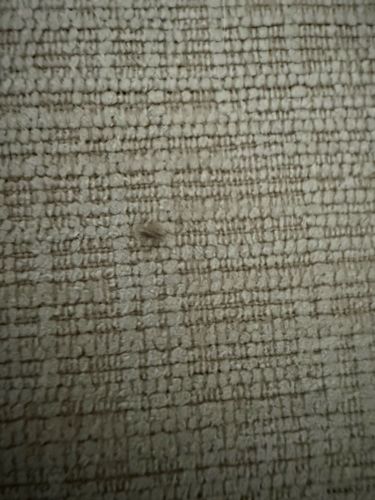
Carpet Beetle (Larva)
Anthrenus scrophulariae (likely, due to common indoor presence) or similar Dermestidae species
- Order & Family
- Coleoptera, Dermestidae
- Size
- Larvae typically 2-5 mm, adults 2-4 mm
Natural Habitat
Indoors, commonly found in carpets, woolens, furs, taxidermy, stored foods, and other natural fibers.
Diet & Feeding
The larvae feed on a wide range of animal products and natural fibers including wool, silk, fur, feathers, leather, dead insects, pet food, and occasionally synthetic fibers soiled with food or sweat. Adults feed mainly on pollen and nectar outdoors.
Behavior Patterns
Larvae are slow-moving and prefer dark, undisturbed areas. They molt several times, leaving behind shed skins. Adult carpet beetles are attracted to light and are often found near windows; they do not eat fabric. The life cycle can take several months to a year depending on conditions.
Risks & Benefits
Potential risks include significant damage to textiles, clothing, carpets, and stored food items. They can cause financial loss due to damage. Some individuals may experience mild skin irritation from contact with the larval hairs, though this is rare. There are no known significant benefits in an indoor setting; outdoors, they are part of the decomposition process, consuming dead organic matter.