
Household Casebearer (also known as the Plaster Bagworm)
Phereoeca uterella
- Order & Family
- Order: Lepidoptera (Butterflies and Moths); Family: Tineidae (Clothes Moths)
- Size
- The case typically measures between 8 to 13 mm (0.3 to 0.5 inches) in length.
Natural Habitat
Found primarily indoors in humid climates, often seen on walls (plaster), baseboards, in corners, under furniture, or on carpets and rugs.
Diet & Feeding
Larvae feed on old spider webs, dead insects, lint, hair, and sometimes natural fibers like wool or silk.
Behavior Patterns
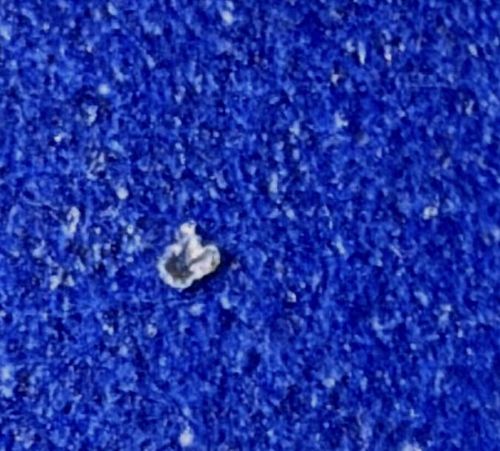
The larva constructs a protective, flattened, pumpkin-seed-shaped case out of silk and debris (sand, dust, lint). It carries this home with it, protruding its head and legs from either end to move and feed. It will eventually pupate inside this case.
Risks & Benefits
Risks: Considered a minor household pest; while harmless to humans (no biting/stinging), they can damage woolen fabrics, rugs, and furs if populations are large. Benefits: They act as scavengers by cleaning up spider webs and dead insects.