
Community identification
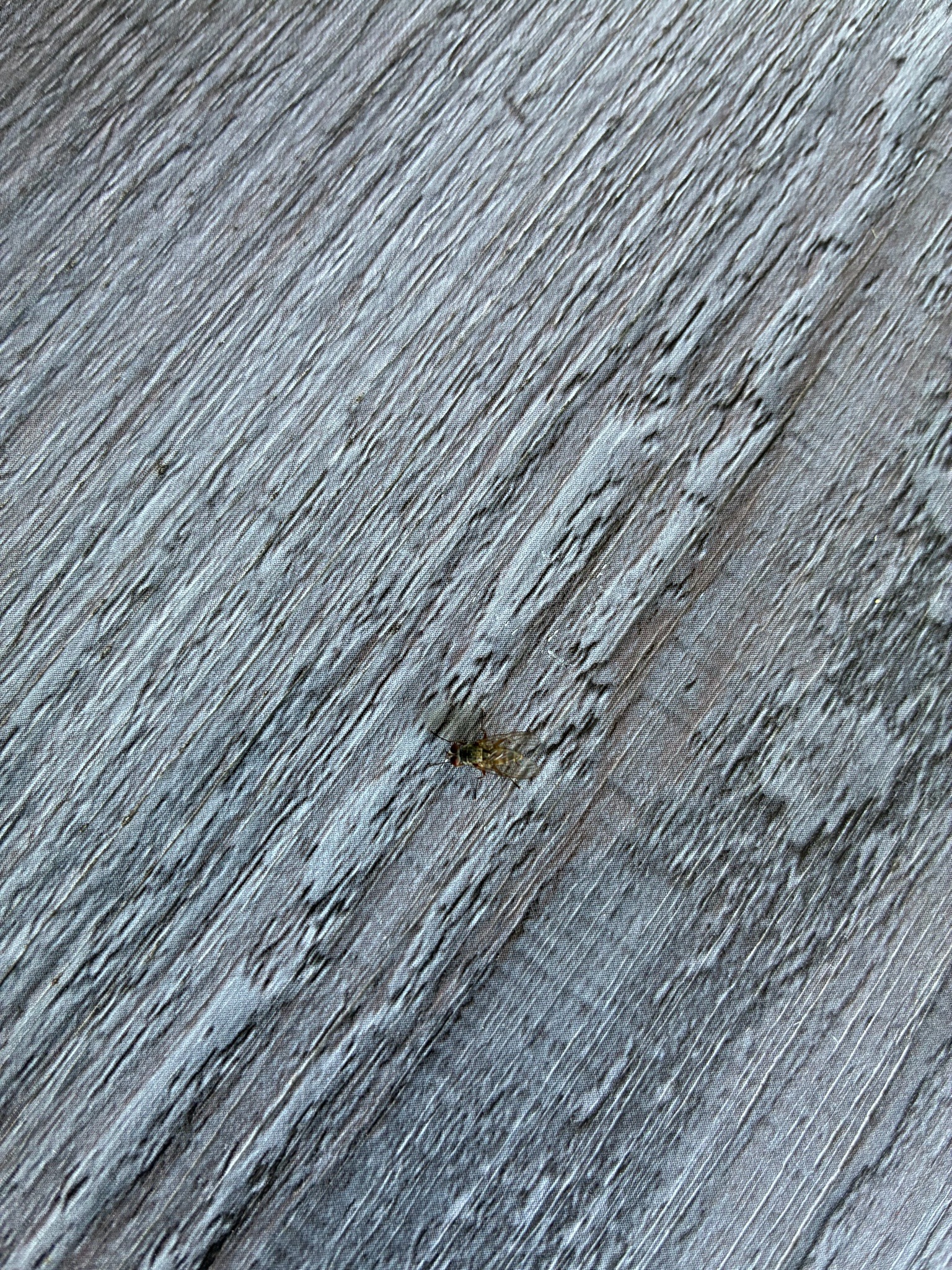
Common House Fly
Musca domestica
- Order & Family
- Order Diptera, Family Muscidae
- Size
- 6 to 7 mm (0.24 to 0.28 inches) in length
Natural Habitat
Widely distributed worldwide in close proximity to human activity and decaying organic matter.
Diet & Feeding
Adults feed on liquids and semi-liquids; they use saliva to liquefy solid food like sugar and decomposing waste.
Behavior Patterns
Diurnal scavengers that are most active during the day; they complete a rapid life cycle from egg to adult in approximately 7 to 10 days in warm conditions.
Risks & Benefits
Major risks include the transmission of pathogens like Salmonella and E. coli; benefits include roles in decomposition and nutrient recycling in ecosystems.