
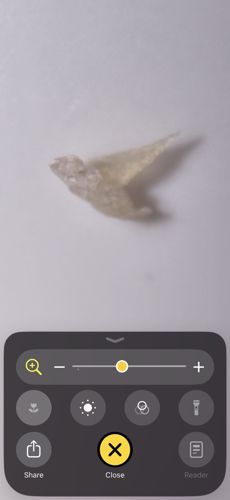
Community identification
Phycitine Moth (possibly a meal moth or Indian meal moth)
Plodia interpunctella (exemplary species)
- Order & Family
- Order: Lepidoptera, Family: Pyralidae
- Size
- Wingspan of 16–20 mm; body length approximately 8–10 mm.
Natural Habitat
Typically found indoors in pantries, kitchens, and food storage facilities where grains or dry goods are kept.
Diet & Feeding
Larvae feed on stored dry plant-based foods including flour, cereal, nuts, dried fruit, and birdseed.
Behavior Patterns
Adults are nocturnal and attracted to light; they do not feed. Larvae spin silken webs over food sources as they eat and go through five to seven instars before pupating.
Risks & Benefits
They are a significant pest of stored food products, leading to contamination and waste. They pose no direct physical health risk to humans (non-biting/non-venomous), but cause economic loss.