
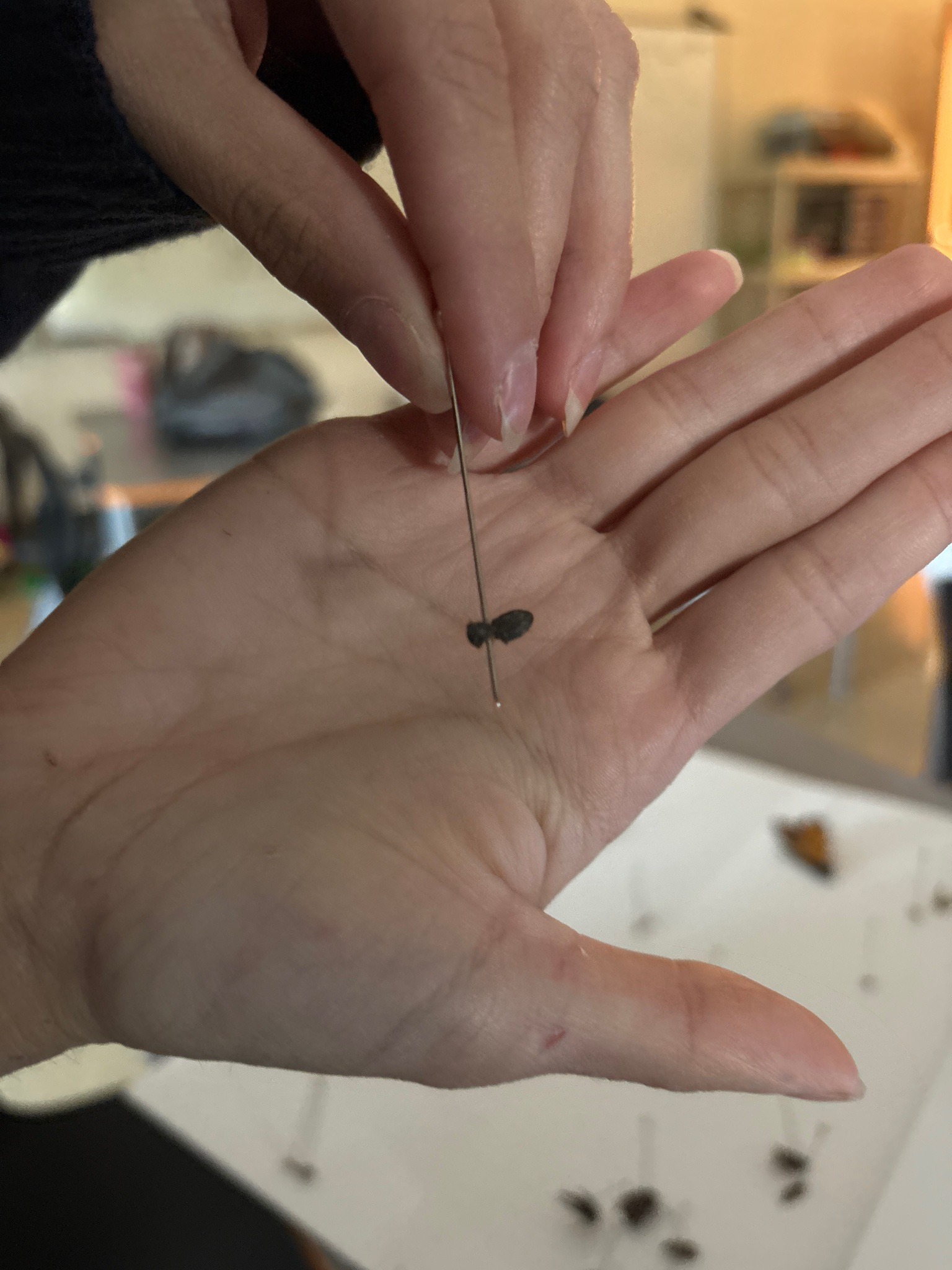
Velvet Ant
Dasymutilla occidentalis (Note: exact species depends on geography, but this is a common member of the family Mutillidae)
- Order & Family
- Order: Hymenoptera; Family: Mutillidae
- Size
- Generally ranges from 0.25 to 0.75 inches (6 to 20 mm).
Natural Habitat
Typically found in sandy areas, grasslands, and open woodlands where their hosts (ground-nesting bees and wasps) live.
Diet & Feeding
Adults primarily feed on nectar and water; larvae are external parasites of ground-nesting bees, wasps, and occasionally beetles.
Behavior Patterns
They are solitary wasps; females are wingless and known for their rapid, erratic running patterns on the ground. They are diurnal and possess a very tough exoskeleton to protect them from host stings during egg-laying.
Risks & Benefits
Risks: Females have an extremely long, powerful stinger known for causing intense pain (earning them the nickname "Cow Killer"). Benefits: They serve an ecological role in population control of other ground-nesting insects.