
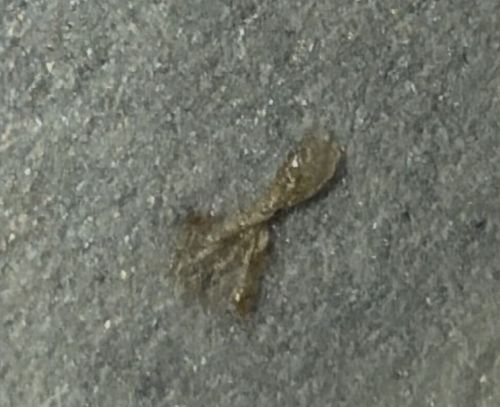
Household Casebearer (Plaster Bagworm)
Phereoeca uterella
- Order & Family
- Order: Lepidoptera; Family: Tineidae
- Size
- Case typically measures 8-14 mm in length.
Natural Habitat
Commonly found inside homes on walls, floors, and under furniture, as well as in garages and on exteriors. They prefer humid climates.
Diet & Feeding
The larvae feed on organic debris, dead insects, spider webs, and natural fibers such as wool, hair, and silk.
Behavior Patterns
The larva constructs a protective spindle-shaped case made of silk, sand, dust, and lint. It can poke its head out from either end of the case to move or feed, dragging the case along. It eventually attaches the case to a vertical surface to pupate into a moth.
Risks & Benefits
They are largely considered household pests because they can damage silks, woolens, and other natural fabrics objects. They do not bite or pose a direct health risk to humans, and they help clean up spider webs in the environment.