
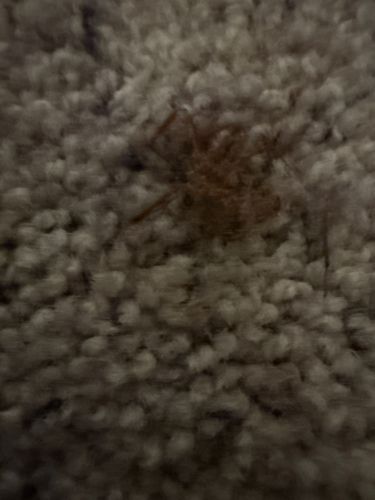
Cellar Spider (also known as Daddy Long-legs Spider)
Pholcus phalangioides
- Order & Family
- Order: Araneae, Family: Pholcidae
- Size
- Body length typically ranges from 2-10 mm (0.08-0.4 inches), but their legs can be very long, giving them an apparent leg span of up to 5-7 cm (2-2.75 inches).
Natural Habitat
Cellar spiders prefer dark, damp, and undisturbed areas. Common habitats include cellars, basements, crawl spaces, garages, sheds, closets, and other quiet corners of homes and buildings. They can also be found in natural cave systems.
Diet & Feeding
Cellar spiders primarily feed on other insects and spiders. They are known to hunt and eat other spiders, including those larger than themselves, and small insects that get caught in their webs.
Behavior Patterns
Cellar spiders are typically reclusive, found in dark, damp areas where they build irregular, messy webs. They often hang upside down in their webs. When disturbed, they may vibrate rapidly in their web to appear like a blur, making it difficult for predators to catch them, or they may drop from their web to escape. They are nocturnal hunters.
Risks & Benefits
Cellar spiders are generally harmless to humans. Their fangs are too small or too weak to penetrate human skin, and their venom is not considered medically significant. They are beneficial as they prey on other nuisance insects and spiders (including venomous ones like black widows), helping to keep pest populations in check within a home or garden. There are no significant risks associated with them other than their webs can be a minor nuisance.