
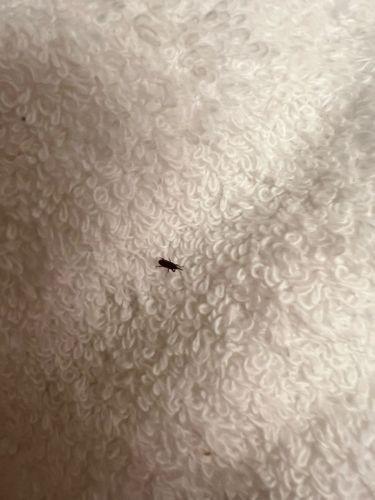
Thrips
Various species (e.g., Frankliniella occidentalis for Western flower thrips, Thrips tabaci for Onion thrips)
- Order & Family
- Order: Thysanoptera, Family: Various (e.g., Thripidae, Phlaeothripidae)
- Size
- Typically 0.5 to 5 mm in length
Natural Habitat
Thrips are found in a wide variety of habitats, including agricultural fields, greenhouses, gardens, forests, and other natural areas. They often reside within flowers, under leaves, in developing buds, or in soil.
Diet & Feeding
Depending on the species, thrips can feed on plant sap, pollen, fungi, or other small arthropods. Many agricultural pest species feed on plant tissues, causing damage to leaves, flowers, and fruits.
Behavior Patterns
Thrips are generally fast-moving insects, and some species are capable of flight. They move quickly across surfaces but can be easily dislodged. They reproduce rapidly, especially in warm conditions, with some species being parthenogenetic (reproducing without fertilization). Their life cycle includes egg, two larval instars, two pupal instars (propupa and pupa), and adult. Many species feed by piercing plant cells and sucking out the contents, leaving silvery streaks or stippling on leaves.
Risks & Benefits
Risks: Many species of thrips are significant agricultural pests, causing damage to crops by direct feeding and by transmitting plant viruses. Their feeding can lead to cosmetic damage, reduced yield, and even plant death. Some species can bite humans, causing minor irritation, though this is rare. Benefits: Some thrips species are beneficial as predators of other small arthropods, including pest mites and other thrips. Others play a role in pollination, particularly in certain plant species.