
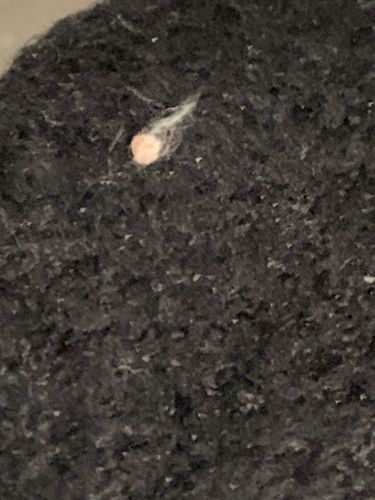
Case-bearing Clothes Moth Larva
Tinea pellionella
- Order & Family
- Lepidoptera (Moths and Butterflies), Tineidae (Fungus Moths and Clothes Moths)
- Size
- Larvae are typically 10-14 mm (0.4-0.55 inches) long, protected within a silken case that expands as they grow.
Natural Habitat
Indoors, particularly in dark, undisturbed areas such as closets, attics, storage chests, and behind furniture. They thrive in environments with natural fibers.
Diet & Feeding
The larvae feed on materials of animal origin, such as wool, fur, feathers, hair, felt, and sometimes silk. They are known to consume upholstered furniture, carpets, clothing, and taxidermy.
Behavior Patterns
The larva constructs a portable, silken case covered with fibers from its food source. It carries this case with it as it moves and feeds, only exposing its head and legs. When ready to pupate, it seals both ends of the case. Adults are poor fliers and tend to scurry or hop. They are attracted to light but prefer dark, undisturbed areas for egg-laying.
Risks & Benefits
Potential risks include significant damage to textiles and other natural fiber items in homes and museums, leading to economic loss. They generally pose no direct health risks to humans. There are no notable benefits in an indoor setting; in nature, they contribute to decomposition of animal remains and hair.