
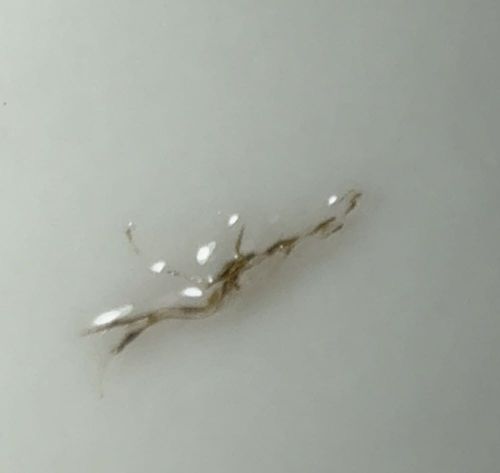
Community identification
Plume Moth
Emmelina monodactyla (representative example)
- Order & Family
- Lepidoptera: Pterophoridae
- Size
- Wingspan of 13–30 mm (approx. 0.5–1.2 inches) depending on species.
Natural Habitat
Found near gardens, grasslands, and agricultural areas where host plants grow; often seen resting on walls or windows.
Diet & Feeding
Adults feed on flower nectar. Larvae (caterpillars) feed on various plants, commonly Morning Glory, Bindweed, or various composite flowers.
Behavior Patterns
Characterized by their T-shaped resting posture with wings rolled tight and held perpendicular to the body. They are primarily nocturnal or crepuscular, active during dusk and night.
Risks & Benefits
Generally harmless to humans and structures. They serve as pollinators as adults. Some species may be considered minor garden pests if larvae consume decorative foliage, while others help control invasive weeds like bindweed.