
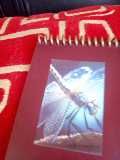
Community identification
Dragonfly
Anisoptera (Infraorder)
- Order & Family
- Order: Odonata; Family: Libellulidae, Aeshnidae, etc. (multiple families)
- Size
- 2 to 5 inches (5 to 12 centimeters) in wingspan, depending on the species.
Natural Habitat
Freshwater environments such as ponds, lakes, rivers, and marshes, particularly those with plenty of vegetation.
Diet & Feeding
Carnivorous; as adults, they hunt small flying insects like mosquitoes, flies, and moths. As nymphs (larvae), they eat aquatic insects, tadpoles, and small fish.
Behavior Patterns
Expert aerial hunters capable of flying in any direction and hovering. They undergo incomplete metamorphosis with an aquatic larval stage (nymph) that can last for years before emerging as flying adults.
Risks & Benefits
Benefits: Major ecosystem service as population control for mosquitoes and other pests. Risks: Virtually none; they do not sting and only bite humans if handled roughly, rarely breaking the skin.