
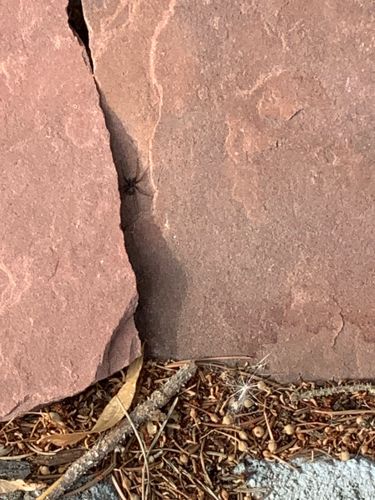
Wolf Spider
Lycosidae (a family of spiders)
- Order & Family
- Order: Araneae, Family: Lycosidae
- Size
- Body length typically ranges from 10 to 35 mm (0.4 to 1.4 inches), with females generally larger than males.
Natural Habitat
Found in a wide variety of habitats including grasslands, forests, deserts, and suburban gardens. They often hide under rocks, logs, leaf litter, or in burrows.
Diet & Feeding
Mainly insects and other small invertebrates. They are generalist predators.
Behavior Patterns
Wolf spiders are typically solitary hunters, actively pursuing and pouncing on their prey rather than spinning webs to catch them. They are very fast runners. Females often carry their egg sacs attached to their spinnerets and, once hatched, the spiderlings ride on their mother's back for several days.
Risks & Benefits
Risks: While generally harmless to humans, wolf spiders can bite if they feel threatened or are cornered. Their bite is typically not medically significant, causing localized pain, redness, and swelling, similar to a bee sting. Benefits: They are beneficial predators, helping to control populations of various insect pests in agricultural and garden settings.