
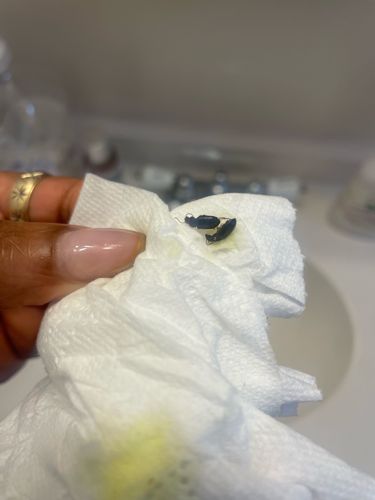
Drugstore Beetle or Biscuit Beetle
Stegobium paniceum
- Order & Family
- Order: Coleoptera, Family: Ptinidae (formerly Anobiidae)
- Size
- 2-3.5 mm (0.08-0.14 inches) in length
Natural Habitat
Global distribution; typically found in human dwellings, warehouses, pharmacies, and any place where dried food products or organic materials are stored.
Diet & Feeding
Broad range of dried plant and animal products, including dried foods (e.g., cereals, pasta, spices, pet food), pharmaceuticals, tobacco, leather, books, and even museum specimens. They are known for being one of the most omnivorous insect pests.
Behavior Patterns
Dermestid beetles, including drugstore beetles, undergo complete metamorphosis (egg, larva, pupa, adult). Adults are good fliers and are attracted to light. They are often found in pantries, kitchens, and other areas where food products are stored. Larvae are the primary destructive stage, feeding on the food source. They can bore through packaging to access food.
Risks & Benefits
Potential risks include contamination and destruction of food products, pharmaceuticals, and other stored dry goods. They can cause significant economic damage in homes and commercial settings. They pose no direct threat to humans (e.g., bites or stings) and are not known to transmit diseases. There are no significant benefits known aside from being a food source for some predatory insects in natural settings.