
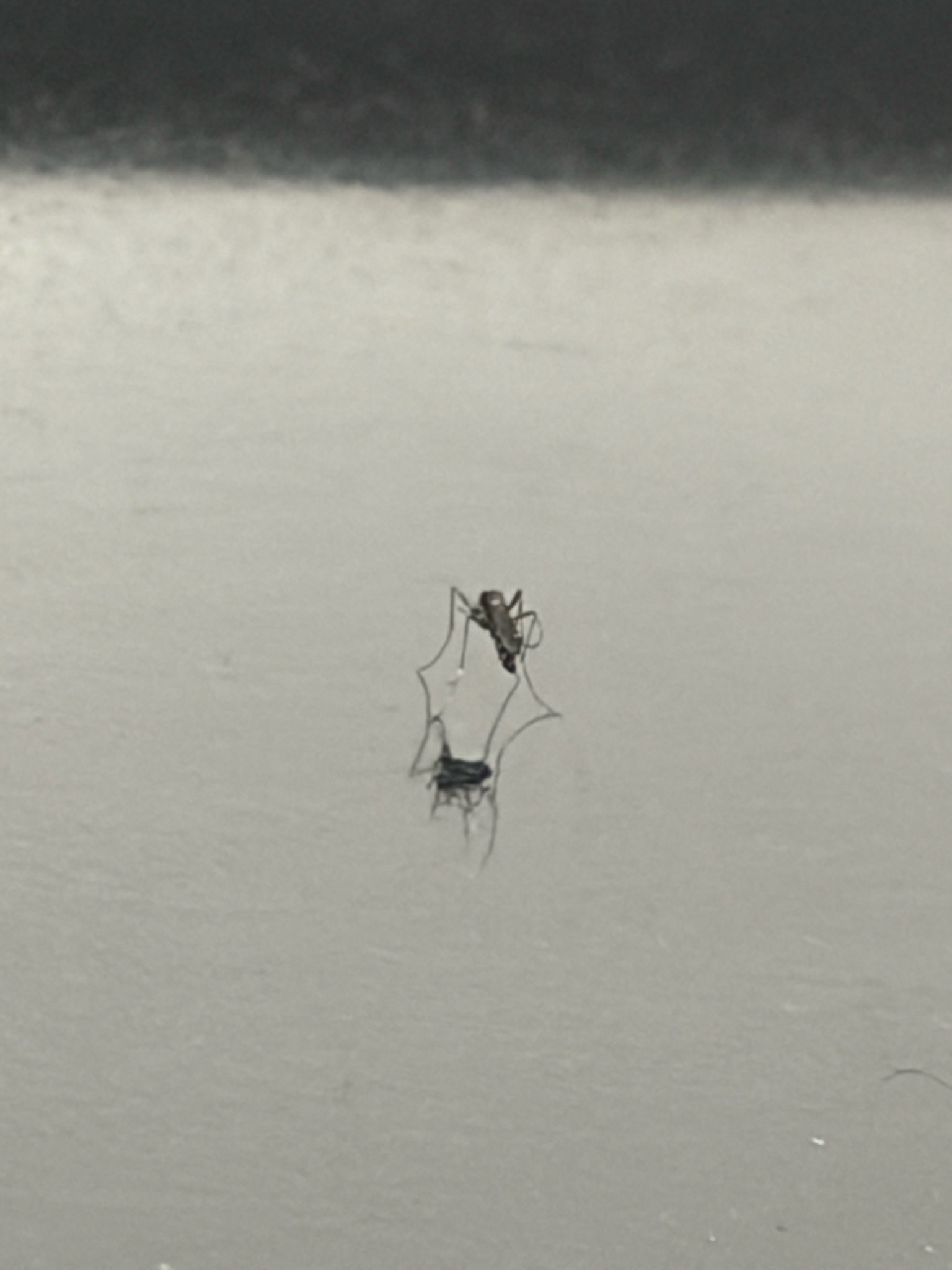
Community identification
Asian tiger mosquito
Aedes albopictus
- Order & Family
- Diptera; Culicidae
- Size
- 2 to 10 mm in length
Natural Habitat
Tropical and subtropical areas, often found in urban environments near standing water such as containers, flowerpots, and tires.
Diet & Feeding
Adult females feed on the blood of humans, mammals, and birds for egg production; both males and females feed on plant nectar for energy.
Behavior Patterns
Diurnal (day-active) feeders that are aggressive biters. They follow a life cycle of egg, larva, pupa, and adult, often laying eggs just above the water line in artificial or natural containers.
Risks & Benefits
A major public health risk as a vector for various viral diseases including Dengue fever, Zika virus, Chikungunya, and West Nile virus. They provide no significant benefit to the ecosystem and are considered a highly invasive species.