
Community identification
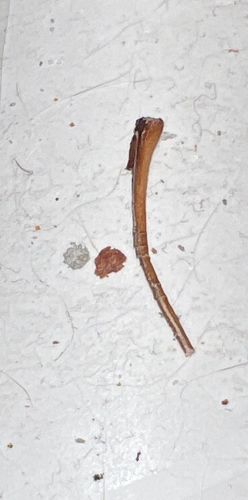
Common Walkingstick
Diapheromera femorata
- Order & Family
- Phasmatodea: Diapheromeridae
- Size
- 2.5 to 4 inches (65 to 100 mm) in length
Natural Habitat
Deciduous forests and woodlands, especially on oak, hazelnut, and black cherry trees
Diet & Feeding
Herbivorous; feeds on the leaves of hardwood trees and shrubs
Behavior Patterns
Master of camouflage that mimics twigs; primarily nocturnal and slow-moving; females drop eggs individually from the canopy to the forest floor
Risks & Benefits
Generally harmless to humans; large outbreaks can cause localized defoliation of trees, but they usually provide a food source for birds and other predators