
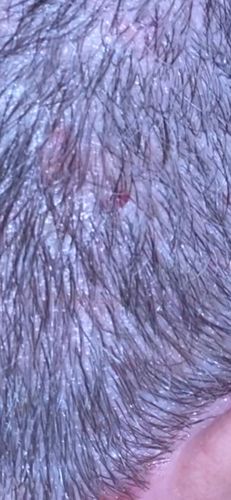
Community identification
Head louse
Pediculus humanus capitis
- Order & Family
- Arthropoda: Phthiraptera: Pediculidae
- Size
- 2.1 mm to 3.3 mm (typically the size of a sesame seed)
Natural Habitat
The scalp and hair of humans, rarely found on other body parts
Diet & Feeding
Exclusively human blood, obtained by biting into the scalp multiple times a day
Behavior Patterns
They are wingless and cannot jump; they spread through direct head-to-head contact. They attach their eggs (nits) to the base of hair shafts with a waterproof glue-like substance.
Risks & Benefits
Causes intense itching (pruritus) due to an allergic reaction to their saliva. While they do not transmit disease, scratching can lead to secondary bacterial skin infections.