
Community identification
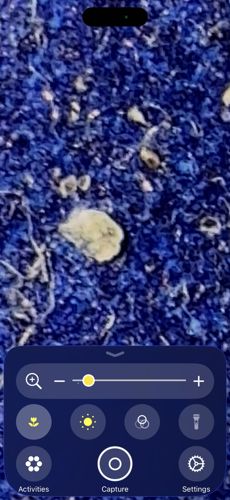
Plaster Bagworm
Phereoeca uterebella
- Order & Family
- Lepidoptera: Tineidae
- Size
- Larval case is approximately 10 to 13 mm in length.
Natural Habitat
Typically found inside residential buildings, garages, and sheds, often clinging to walls or ceilings in humid climates.
Diet & Feeding
Larvae feed on spider webs and natural fibers such as wool and silk, as well as dead organic matter.
Behavior Patterns
The larva constructs a protective silk case covered in sand, dust, and lint. Once it matures and pupates, it emerges as a small moth. The case is open at both ends, allowing the larva to move in either direction.
Risks & Benefits
They are considered a minor domestic nuisance because they can damage silk or wool fabrics. They are not harmful to humans or pets.