
Community identification
Household Casebearer
Phereoeca uterella
- Order & Family
- Lepidoptera: Tineidae
- Size
- Case length 8-14 mm; larva is smaller inside the case.
Natural Habitat
Found inside houses and buildings, typically on walls, in corners, or under furniture in moist or humid climates.
Diet & Feeding
Larvae feed on spider webs, wool, silk, hair, and other natural fibers or debris found in homes.
Behavior Patterns
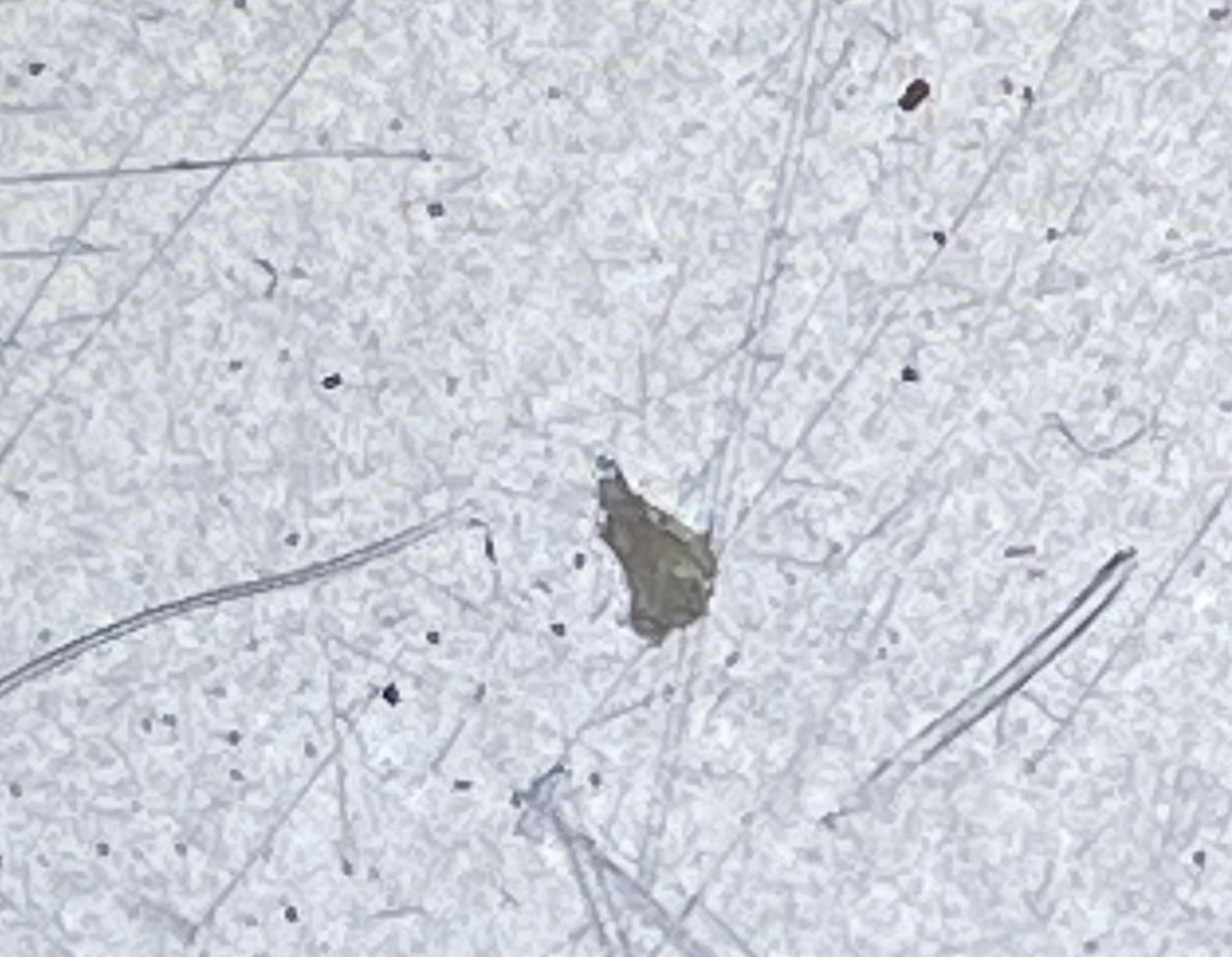
The larva builds a flattened, spindle-shaped case from silk and environmental debris, which it carries around with its head poked out from either end. They are mostly active at night and pupate inside the protective case.
Risks & Benefits
Generally harmless to humans but can occasionally damage clothing, rugs, or upholstery made of natural fibers; they serve as indicators of humidity and high spider activity.