
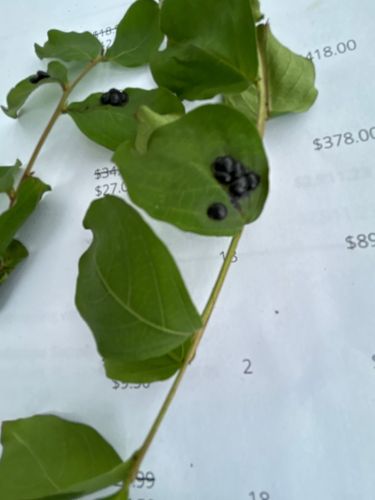
Black Bean Aphid
Aphis fabae
- Order & Family
- Hemiptera (Order), Aphididae (Family)
- Size
- Typically 1.7 to 2.5 mm (0.07 to 0.1 inches) long.
Natural Habitat
Agricultural fields, gardens, and natural areas where host plants are present. They are often found on the young, tender growth of plants, including beans, beets, poppies, nasturtiums, and various ornamental plants.
Diet & Feeding
Plant sap from a wide variety of plants, often preferring broad beans, sugar beets, and other legumes or ornamentals. They use their piercing-sucking mouthparts to extract sap, which can cause leaf curling, stunted growth, and general plant weakening.
Behavior Patterns
These small, aphid-like insects are typically found in clusters, feeding on the underside of leaves or on young stems. They reproduce rapidly, often without mating (parthenogenesis), leading to quick population growth. They excrete honeydew, a sugary substance, which can attract ants and promote the growth of sooty mold on affected plants. They are mostly sessile, moving slowly when disturbed.
Risks & Benefits
Risks: Black Bean Aphids are significant agricultural pests that can cause severe damage to crops, leading to yield loss. They can also transmit plant viruses, further harming plants. Their honeydew excretion can lead to sooty mold, which reduces photosynthesis and aesthetic value of plants. Benefits: Though primarily considered pests, they serve as a food source for various predatory insects (e.g., ladybugs, lacewings, hoverfly larvae) and parasitic wasps, contributing to natural pest control mechanisms.