
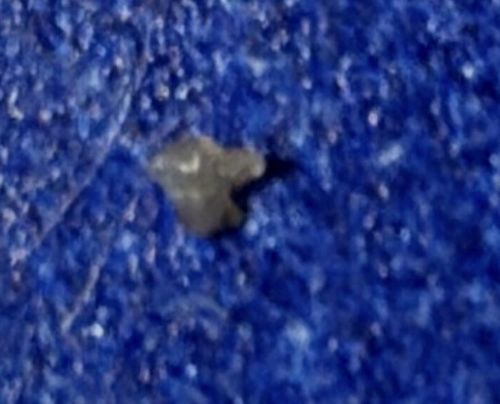
Community identification
Household Casebearer (Plaster Bagworm) - or non-living debris
Phereoeca uterella
- Order & Family
- Lepidoptera: Tineidae
- Size
- Case length typically 8-14 mm (0.3-0.5 inches)
Natural Habitat
Found indoors in humid environments, typically on walls, baseboards, in closets, or underneath spider webs in garages and basements.
Diet & Feeding
Detritivore; feeds on spider webs, old cocoons, human hair, dead insects, wool fibers, and lint.
Behavior Patterns
The larva constructs a flattened, pumpkin-seed-shaped protective case out of silk and environmental debris (sand, soil, paint chips). It stays inside this case, dragging it along as it moves to feed. When threatened, it retracts completely inside.
Risks & Benefits
Considered a nuisance pest but generally harmless to humans and pets (they do not bite or sting). While they are related to clothes moths, they rarely cause significant damage to fabrics, preferring loose debris and cobwebs.