
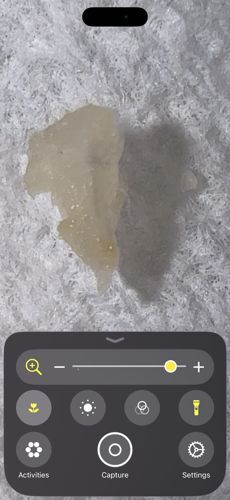
Community identification
Brown Lacewing (Larva stage)
Family Hemerobiidae
- Order & Family
- Order Neuroptera, Family Hemerobiidae
- Size
- 3 mm to 10 mm (larval length)
Natural Habitat
Gardens, forests, and agricultural fields; often found on leaves of plants with high aphid populations.
Diet & Feeding
Carnivorous; feeds primarily on aphids, mealybugs, scale insects, and mites.
Behavior Patterns
Active predators known as 'aphid lions'; they use sickle-shaped mandibles to grab prey and suck out body fluids. They undergo complete metamorphosis through egg, larva, pupa, and adult stages.
Risks & Benefits
Extremely beneficial for gardens and crops as biological pest control; they are harmless to humans, though they may occasionally deliver a minor, non-toxic defensive nip if handled.