
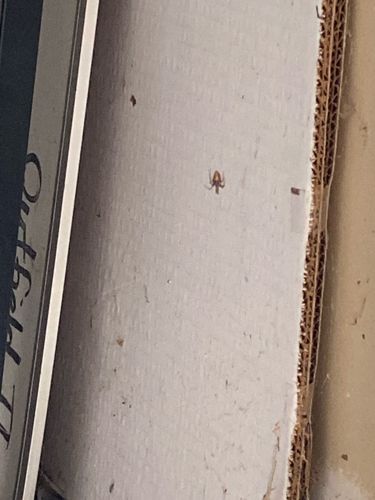
Cellar Spider
Pholcus phalangioides
- Order & Family
- Order: Araneae, Family: Pholcidae
- Size
- Body length typically 2-10 mm; leg span can be up to 7 cm or more, giving them a 'daddy long-legs' appearance.
Natural Habitat
Commonly found in dark, damp, and undisturbed areas such as cellars, basements, crawl spaces, garages, and sheds. They also occur outdoors in sheltered locations.
Diet & Feeding
Mainly other insects and spiders. They are known for preying on other spiders, including more dangerous ones like black widows, by trapping them in their webs and then biting them.
Behavior Patterns
Cellar spiders are known for building irregular, messy webs in corners. They are often seen vibrating rapidly when disturbed, which makes them difficult for predators to catch. They are generally nocturnal.
Risks & Benefits
Generally considered harmless to humans. Their fangs are too small to penetrate human skin effectively, and their venom is not considered medically significant. They can be beneficial by preying on other pests like mosquitoes, flies, and even venomous spiders.