
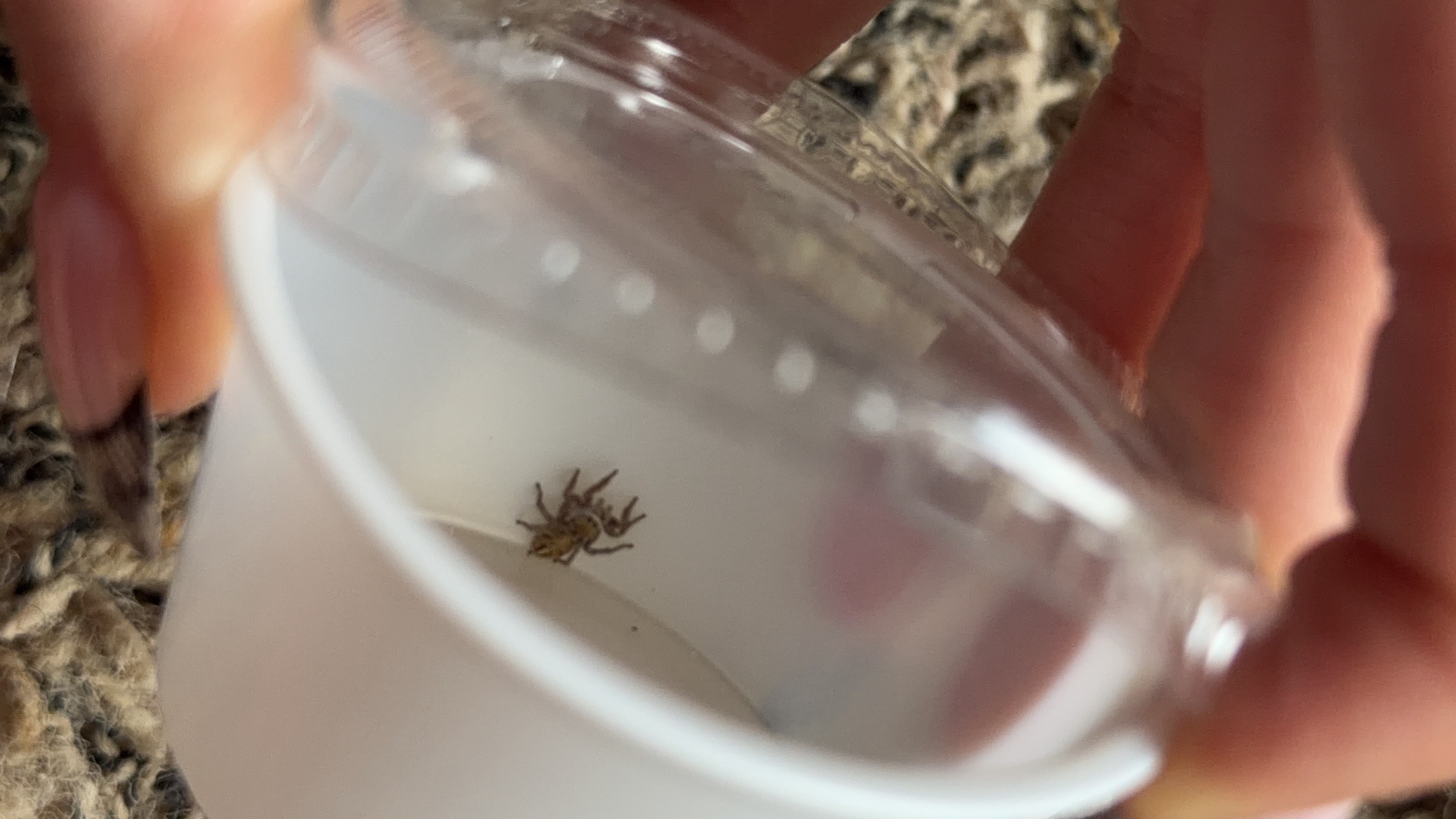
Community identification
Tick (likely a hard tick)
Ixodes sp. (species uncertain from image)
- Order & Family
- Ixodida; Ixodidae
- Size
- Typically 2–5 mm unfed; engorged females can reach 10–15 mm, depending on species.
Natural Habitat
Leaf litter, tall grass, shrubs, and wooded or brushy habitats, where it climbs vegetation and attaches to passing hosts.
Diet & Feeding
Feeds exclusively on blood from mammals, birds, or reptiles; each life stage usually takes one substantial blood meal.
Behavior Patterns
Questing ticks hold their forelegs out to detect heat, odors, and vibration, then latch onto hosts. They develop through larva, nymph, and adult stages, often over one to three years.
Risks & Benefits
Some species transmit pathogens, including Lyme disease bacteria, anaplasmosis, babesiosis, and tick-borne encephalitis viruses. They also serve as food for predators and contribute to ecosystem food webs; remove attached ticks promptly with fine-tipped tweezers.