
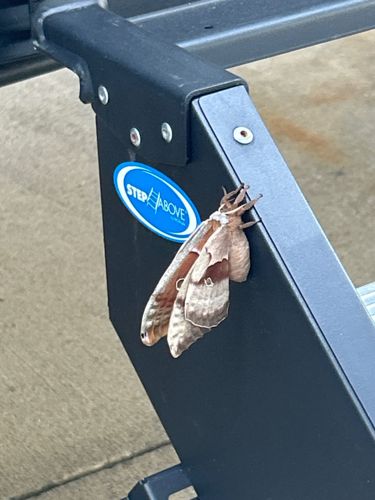
Polyphemus Moth
Antheraea polyphemus
- Order & Family
- Order: Lepidoptera, Family: Saturniidae (Giant Silkmoths)
- Size
- Wingspan typically ranges from 10-15 cm (4-6 inches), making it one of the largest moths in North America.
Natural Habitat
Polyphemus Moths are found in a variety of habitats including deciduous forests, woodlands, orchards, suburban areas, and wetlands across North America.
Diet & Feeding
Adult Polyphemus Moths do not feed. Their mouthparts are vestigial, meaning they are undeveloped and non-functional. They rely on energy reserves built up during their caterpillar stage. Caterpillars are polyphagous herbivores, feeding on the leaves of a wide variety of trees and shrubs, including oak, maple, birch, willow, elm, and fruit trees.
Behavior Patterns
Adult Polyphemus Moths are nocturnal and are attracted to light. They are often seen resting during the day. The adult moths only live for a short period (about 1-2 weeks) focusing solely on reproduction as they do not feed. The caterpillars, however, are major feeders.
Risks & Benefits
Risks: Generally none to humans. The caterpillars can occasionally cause defoliation to host trees if present in very large numbers, but this is rarely severe enough to harm mature trees significantly. Benefits: As with other moths, they play a role in the ecosystem as food for birds and bats. The caterpillars contribute to nutrient cycling by consuming plant material. They are also an indicator species for healthy wooded ecosystems.