
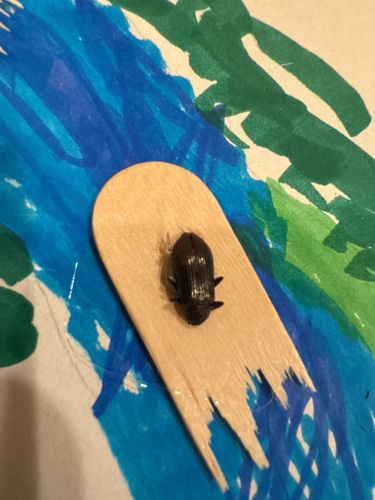
Click beetle
Family Elateridae
- Order & Family
- Order Coleoptera, Family Elateridae
- Size
- Typically 0.2 to 2 inches (5-50 mm) in length, depending on the species.
Natural Habitat
Found in various habitats including forests, grasslands, gardens, and agricultural fields. Larvae (wireworms) live underground.
Diet & Feeding
Adult click beetles primarily feed on nectar, pollen, decaying plant matter, or sometimes small insects. Larvae (wireworms) are often omnivorous, feeding on roots, seeds, fungi, other soil organisms, or decaying wood.
Behavior Patterns
Known for their unique 'clicking' mechanism, where they can flip themselves over when on their back, often with an audible click. Most are nocturnal or crepuscular. Larvae can live for several years in the soil.
Risks & Benefits
Larvae (wireworms) can be significant agricultural pests, damaging crops by feeding on roots and seeds. Adult beetles are generally harmless to humans. They contribute to decomposition and are part of the food chain for other animals.