
Community identification
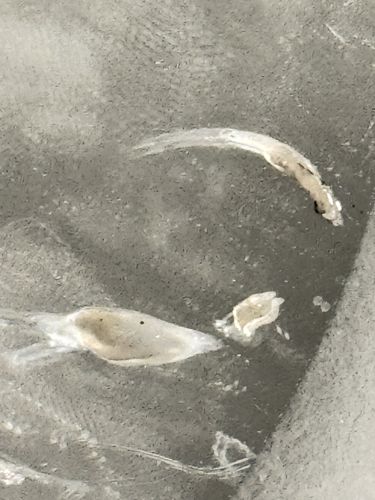
Phantom midge larva
Chaoborus spp.
- Order & Family
- Diptera: Chaoboridae
- Size
- 8 mm to 15 mm in length
Natural Habitat
Found in standing water such as lakes, ponds, and reservoirs, often in the deeper, low-oxygen layers during the day.
Diet & Feeding
Carnivorous; feeds on small zooplankton like water fleas (Daphnia) and mosquito larvae using specialized antennae to grab prey.
Behavior Patterns
They are nearly transparent to avoid predators and use internal air sacs to regulate buoyancy for vertical migration through the water column.
Risks & Benefits
Harmless to humans as adults do not bite. They benefit the ecosystem by serving as a vital food source for fish and controlling small aquatic pest populations.