
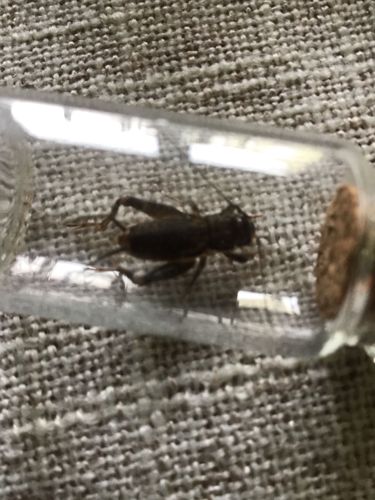
Field Cricket
Gryllus (e.g., Gryllus pennsylvanicus, Gryllus assimilis)
- Order & Family
- Order: Orthoptera, Family: Gryllidae
- Size
- Typically measures between 15 mm to 35 mm (0.6 to 1.4 inches) in length.
Natural Habitat
Field crickets are commonly found in grasslands, fields, lawns, gardens, and other areas with dense vegetation. They often seek shelter under rocks, logs, leaf litter, or in cracks in the ground.
Diet & Feeding
Field crickets are omnivorous. Their diet includes decaying plant matter, fungi, seeds, seedlings, flowers, fruits, and sometimes other small insects or carrion.
Behavior Patterns
Crickets are known for their chirping sounds, which are produced by males rubbing their forewings together (stridulation) to attract mates. They are mostly nocturnal and can be found in various habitats. Field crickets lay eggs in the soil, which hatch into nymphs that undergo several molts before reaching adulthood.
Risks & Benefits
Potential Risks: In large numbers, field crickets can occasionally cause damage to agricultural crops and garden plants by feeding on seedlings and roots. They can also be a nuisance when they enter homes due to their chirping. Potential Benefits: Crickets serve as a food source for many animals, including birds, reptiles, amphibians, and other insects, playing an important role in the food chain. They also contribute to decomposition by feeding on decaying organic matter.