
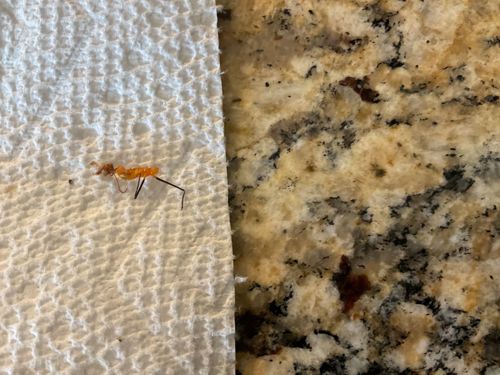
Crane Fly
Tipulidae (various genera and species)
- Order & Family
- Order: Diptera, Family: Tipulidae
- Size
- Body length typically ranges from 2 to 60 mm (0.08 to 2.4 inches), with leg spans that can be significantly longer, up to 100 mm (4 inches).
Natural Habitat
Crane flies are found in a wide variety of habitats, including woodlands, meadows, marshes, and near freshwater sources. Larvae typically live in moist soil, decaying wood, or aquatic environments.
Diet & Feeding
Adult crane flies generally do not feed, or they may consume nectar and other plant liquids. Larvae (leatherjackets) are primarily detritivores, feeding on decaying organic matter in soil or water. Some larvae are herbivorous, feeding on plant roots.
Behavior Patterns
Adult crane flies are generally harmless and short-lived, often living only long enough to mate and lay eggs. Larvae are typically aquatic or semi-aquatic depending on the species and feed on decaying matter or plant roots. Some terrestrial larvae are known as 'leatherjackets'. Adults are often attracted to lights at night.
Risks & Benefits
Crane flies are generally harmless to humans as adults; they do not bite or sting. Larvae of some species, known as leatherjackets, can cause damage to lawns and crops by feeding on roots. However, they also play a beneficial role in ecosystems as decomposers, and serve as a food source for birds, bats, and other insects.