
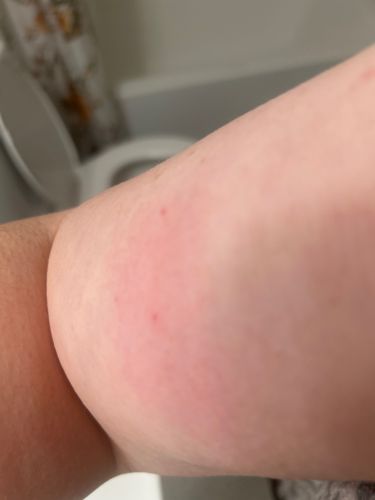
Community identification
Mosquito
Culicidae
- Order & Family
- Diptera, Culicidae
- Size
- 3-6 mm
Natural Habitat
Near standing water (ponds, marshes, containers), often indoors at night
Diet & Feeding
Adult females feed on blood (hematophagy) of humans and other animals; adult males and females also feed on nectar and plant sap
Behavior Patterns
Nocturnal or crepuscular activity patterns; females seek blood meals for egg development; lay eggs in or near water sources. Larvae are aquatic.
Risks & Benefits
Risks: Transmit numerous diseases including malaria, dengue, Zika virus, West Nile virus, chikungunya, and yellow fever. Their bites cause itchy welts. Benefits: Serve as a food source for other animals (fish, birds, bats) and play a role in pollination for some plants.