
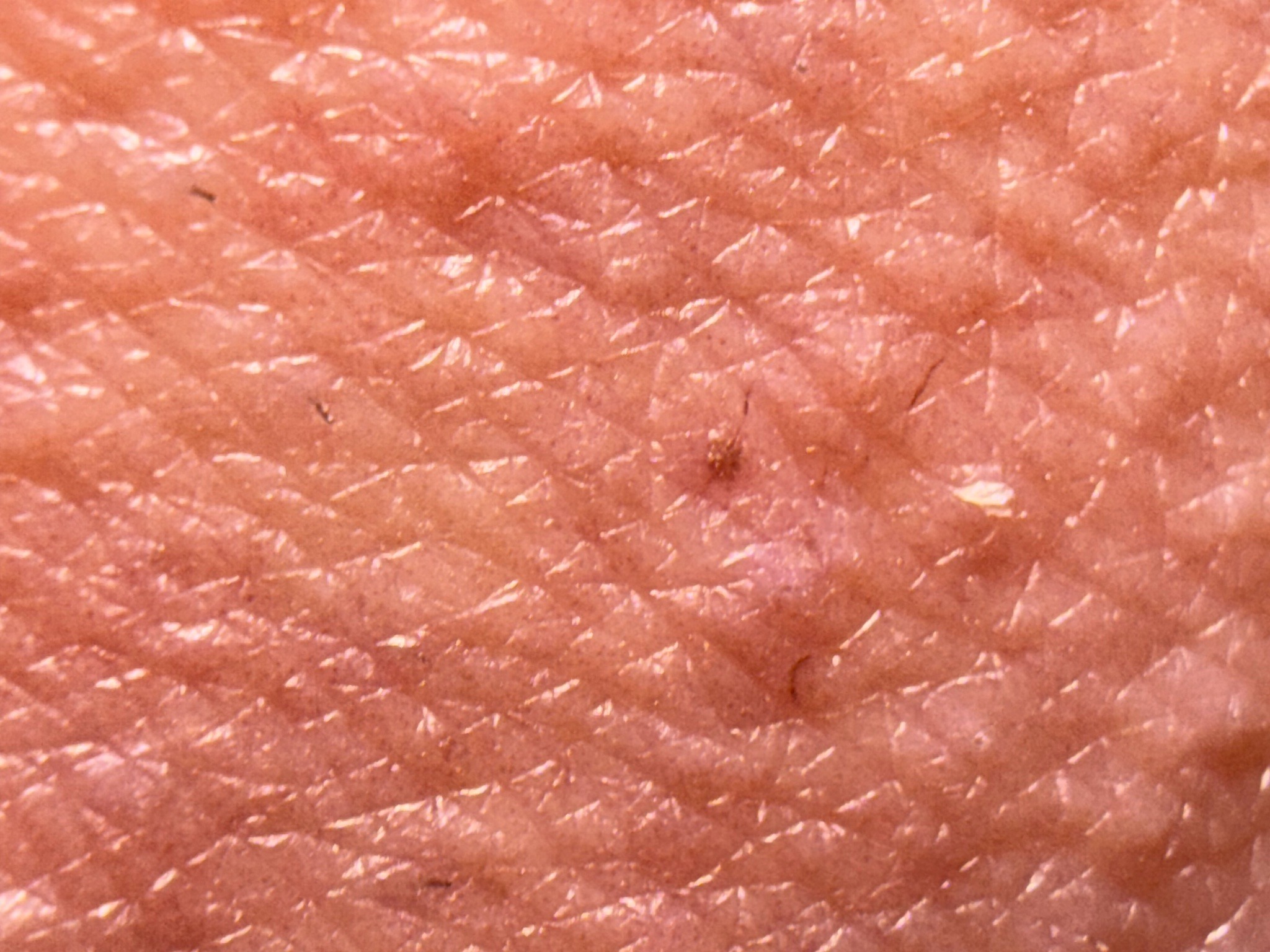
Community identification
Human flea
Pulex irritans
- Order & Family
- Siphonaptera, Pulicidae
- Size
- Adults are typically 1.5–3.3 mm long.
Natural Habitat
Human dwellings, bedding, carpets, upholstery, and animal resting areas, especially where warmth and organic debris accumulate.
Diet & Feeding
Both sexes feed on blood; adults bite humans and other mammals, while larvae consume organic debris and dried blood in environmental habitats.
Behavior Patterns
Wingless, laterally flattened adults jump efficiently and hide in fabrics or hair. Eggs fall from hosts, and larvae develop in protected debris before pupating; infestations can persist through multiple generations.
Risks & Benefits
Bites cause itchy, inflamed papules and may trigger allergic reactions. Fleas can transmit pathogens, including historically Yersinia pestis and, in some regions, flea-borne typhus; they have little direct ecological benefit in homes.