
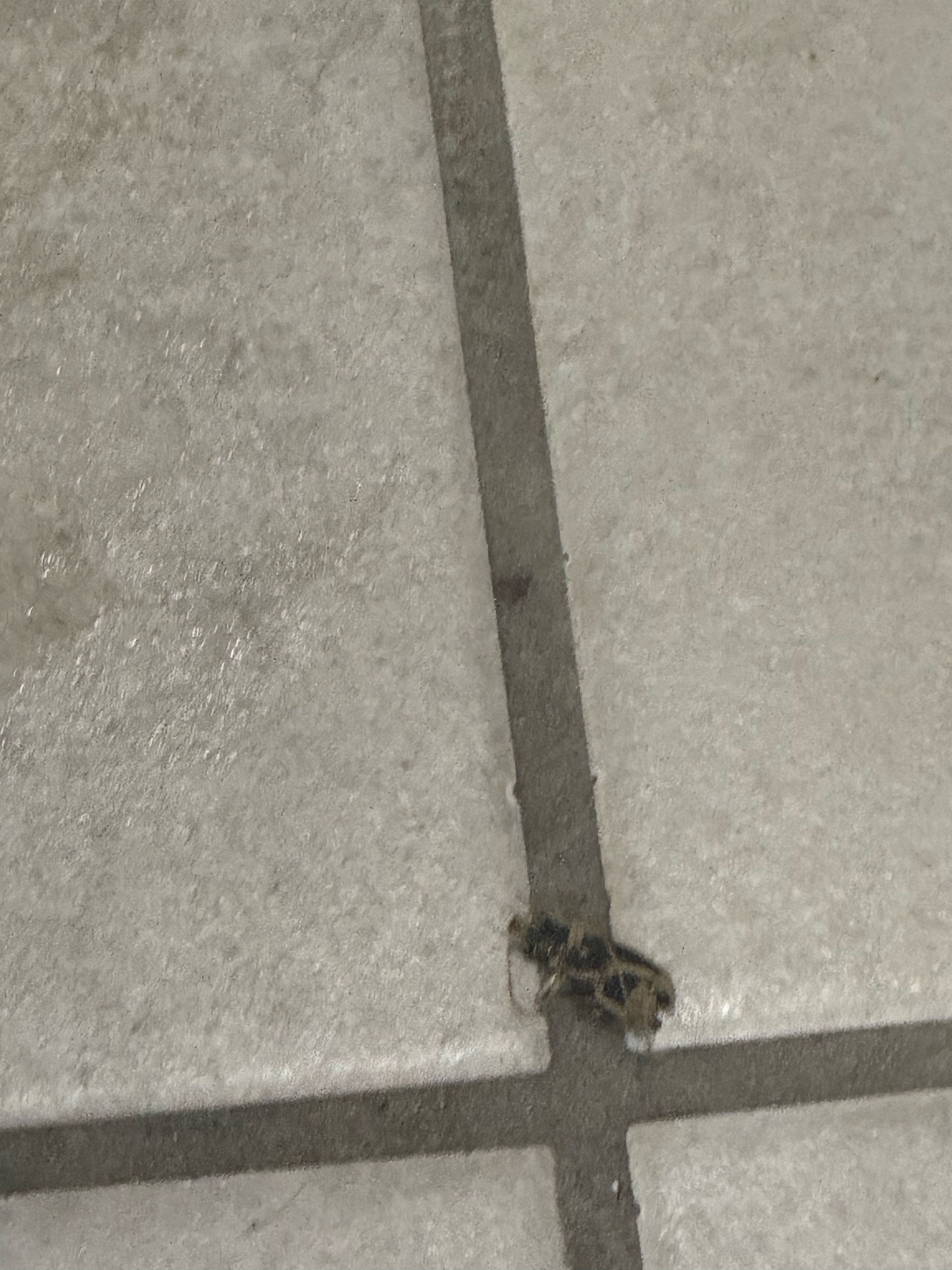
Community identification
Puss Caterpillar (Larva of Southern Flannel Moth)
Megalopyge opercularis
- Order & Family
- Lepidoptera, Megalopygidae
- Size
- Approximately 1 to 1.5 inches (25-38 mm) long.
Natural Habitat
Found on various host plants including oaks, elms, and citrus trees. They often move into human-habitated areas such as gardens or onto structures.
Diet & Feeding
The larvae feed on the leaves of various broadleaf trees and shrubs.
Behavior Patterns
They are slow-moving and rely on their dense, hair-like setae for protection. They undergo several molts before spinning a cocoon to pupate and eventually emerge as a moth.
Risks & Benefits
High risk to humans. Hidden beneath the thick fur are venomous spines that cause intense, throbbing pain, swelling, and sometimes systemic symptoms like nausea or difficulty breathing if touched. They have no significant benefits to humans beyond their role in the local ecosystem.