
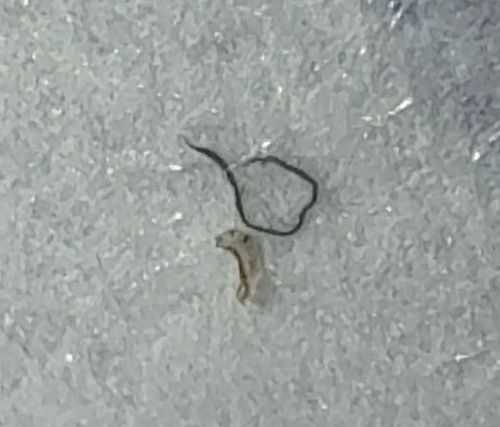
Community identification
Horsehair Worm
Nematomorpha (Phylum)
- Order & Family
- Order: Gordioidea; Family: Various (e.g., Gordiidae)
- Size
- Typically 10 to 70 centimeters long, but extremely thin (1-3 millimeters in diameter).
Natural Habitat
Adults are found in freshwater environments like puddles, troughs, swimming pools, and damp soil. Larvae are internal parasites of insects like crickets and grasshoppers.
Diet & Feeding
Adults generally do not feed, relying on energy stores. Larvae are parasitic and absorb nutrients from the body fluids of their insect hosts (grasshoppers, beetles, cockroaches).
Behavior Patterns
They are famous for their parasitic life cycle where they manipulate the host insect's behavior, forcing it to seek water and drown itself so the adult worm can emerge to reproduce.
Risks & Benefits
Harmless to humans, pets, and plants. They cannot infect mammals. They are considered beneficial as they help control populations of pest insects like roaches and grasshoppers.