
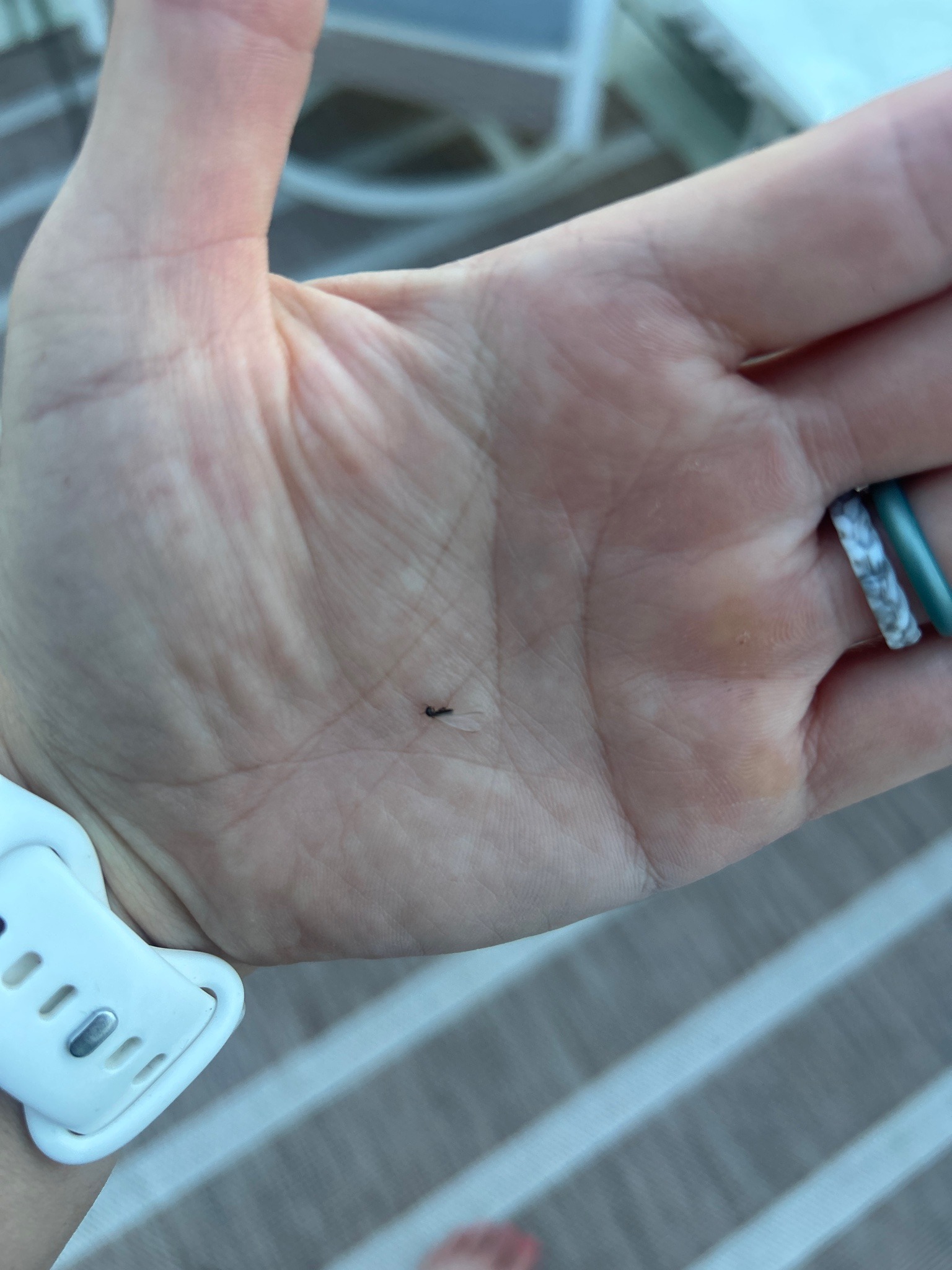
Community identification
Flyer ant (Winged ant / Alate)
Formicidae (genus/species depends on region, commonly Lasius or Myrmecia)
- Order & Family
- Order: Hymenoptera; Family: Formicidae
- Size
- 3mm to 15mm (depending on species and whether it is a queen or male)
Natural Habitat
Found globally; specifically near established underground or wood-nesting ant colonies, often emerging and congregating in open air.
Diet & Feeding
Adult alates typically do not eat during their flight; they rely on stored fat. Once established, workers eat nectar, seeds, or other insects.
Behavior Patterns
Participates in 'nuptial flights' where winged males and queens leave the nest simultaneously to mate. After mating, males die and queens shed their wings to start new colonies.
Risks & Benefits
Generally harmless to humans; they do not sting or bite aggressively during flight. Benefit the ecosystem by aerating soil and serving as a massive food source for birds and dragonflies.